Dentist Downers Grove | General & Cosmetic Dentistry | Dentist Woodridge,IL

Text Size:+-
Aurora (630) 884-8194

Downers Grove (630) 884-8174

Office Hours: Mon–Thu: 9:00am–4:00pm; Sat:9am-2pm

  • Home
  • Patient Info
    • First Visit
    • Forms (Fill Online)
    • Dental Health
      • Dental Emergency list!
      • Child Dentistry
      • Dental Specialties
      • Oral Hygiene
      • Periodontal Maintenance
    • Financial Policy
    • Financing options and payment plans
    • Insurance Information
    • Infection Control
    • Home Care Instructions
    • Privacy Practices
  • Office Tour
  • Services
    • Deep Cleanings
    • Extractions
    • Tooth Fillings
    • Root Canal Treatment
    • Dental Bridges
    • Dental Crowns
    • Dentures / Partials
    • Teeth Whitening
    • Dental Sealants
    • Bonding
  • Advanced Technology
    • Digital Imaging
    • Intra Oral Camera
  • Contact Us
    • Locations
      • Aurora
      • Downers Grove
    • Job Opportunities

Blog

Oral Health & Your Heart

Posted on: 04.17.17 By admin

4.5 / 5 ( 4 votes )
Tooth & Heart | Dentist - Darien, IL

Tooth & Heart | Dentist – Darien, IL

Oral Health & Your Heart

Cardiovascular disease (CVD) is a disease involving the heart and blood vessels. It’s the No. 1 cause of death and disability in the United States today, with almost 700,000 Americans dying of heart disease each year.1 That represents almost 29% of all deaths in the United States.1

Heart disease and gum disease have several things in common. For example, inflammation is common in both cases, and inflammation can contribute to narrowing coronary arteries and breaking down the tissue that holds teeth in place.2 Emerging research suggests a possible association between gum disease and CVD, as the oral bacteria of gum disease can enter the bloodstream and cause a defense reaction throughout the body.3,4 Also, bacteria from the mouth can travel to important organs in the body, including the heart, and begin a new infection.4

79.4 million Americans had one or more forms of CVD in 2004.5

Treating CVD depends on what form of the disease a patient has. The most effective treatments are always lifestyle changes. Whether CVD development is related to gum disease or not, keeping up with good brushing and flossing habits is essential.

CVD—What’s the Cost?

Cardiovascular disease (CVD)–including heart disease and stroke–causes the deaths of more American men and women, regardless of their race or ethnic background, than any other disease.6 What’s more, CVD costs Americans billions of dollars each year–about $300 billion–in health care treatments, medications, and lost productivity because of disability and death.6

SOME TYPES OF CVD

  • Arteriosclerosis (hardening of the arteries)
  • Coronary artery disease (condition reducing blood flow through the coronary arteries)
  • Heart valve disease (condition causing malfunction of heart valves)
  • Arrhythmia (irregular heartbeat)
  • Hypertension (high blood pressure)
  • Orthostatic hypotension (sudden drop in blood pressure upon standing)
  • Endocarditis (inflammation of the lining of the heart)
  • Heart failure (cessation of heartbeat)

CVD RISK FACTORS

  • Age
  • Diabetes mellitus
  • High cholesterol
  • Smoking
  • Exposure to high levels of environmental noise
  • Obesity
  • Genetic factors/family history

If You’re at Risk for CVD…

See a physician and discuss proper ways to prevent it, as well as different possible treatments if you find out you have it.

Also, talk to your dentist or hygienist about gum disease and ask if it’s a potential problem for you and your overall health.

Make sure you visit your medical and dental professionals on a regular basis to remain as healthy as possible.

What You Can Do

A Healthy Diet Can Help Decrease Your Risk1:

  • Keep your total cholesterol below 200 mg/dL
  • Eat plenty of fruits and vegetables
  • Limit or eliminate extra salt or sodium
  • Reduce the amount of saturated fat in your diet

Surprise! Oral Health Could Affect Your Heart

Researchers have found that people with severe gum disease are almost twice as likely to suffer from some form of cardiovascular disease (CVD) as those without gum disease. Gum disease is caused by a bacterial infection in the mouth–specifically in the soft tissue that supports the teeth. When your body reacts to this infection, your gums become inflamed, they may bleed, and in severe cases, your teeth may become loose.

The earliest form of gum disease is called gingivitis and the most severe is periodontal disease. When bacteria infect your mouth, inflammation results as your body fights the infection. Systemic inflammation has been shown to be associated with an increased risk of CVD.

Preventing gum disease and the accumulation of bacteria in the mouth by brushing and flossing twice a day–as well as seeing your dentist and dental hygienist on a regular basis–could ultimately be one way to also help prevent CVD problems.

In 2004, more than 147,000 Americans killed by CVD were under 65 years of age.5

5 Tips to Help Prevent Cardiovascular Problems

  • Abstinence from tobacco use
  • Cardiovascular exercise (aerobics); talk to your doctor before starting an exercise program
  • Healthy eating habits
  • Some medications (discuss with your doctor)
  • Aspirin therapy (talk to your doctor before starting any new medication program)

Disclaimer

The content of this guide is for information purposes only. It does not substitute for the dentist’s professional assessment based on the individual patient’s case.

Call Alivio Dental to schedule an appointment today! Proudly serving patients from Aurora,IL, Naperville,IL, Oswego,IL, Downers Grove, IL, Lisle, IL, Darien, IL, Lombard, IL, Clarendon Hills, IL, Bollingbrook, IL, Woodridge, IL, Westmont, IL, La Grange, IL and Wheaton, IL communities now.

Credits: Colgate-Palmolive Company

Braces: Bringing Teeth into Alignment

Posted on: 02.10.17 By admin

Braces - Downers Grove Dentist

Braces – Downers Grove Dentist

Bringing Teeth into Alignment with Orthodontic Treatment

The American Association of Orthodontists reports that in the United States 4.5 million people are wearing braces or other dental appliances to straighten teeth and provide a healthy, beautiful smile.1. As many of us know, an orthodontist is a dentist with additional clinical training to treat malocclusions (improper bites), which may result from tooth irregularity and jaw issues.

Why Do Teeth Become Crooked?

Terry Pracht, DDS, past president of the American Association of Orthodontics says that both heredity and environmental factors can create crooked teeth and bite problems. Dr. Pracht mentions that hereditary factors include crowded teeth, teeth where there is too much space and malocclusions. He also mentions that crooked teeth can be caused by thumb sucking and tongue thrusting as well as accidents occurring to the jaw.1

What are Treatment Options to Straighten Teeth or Malocclusions?

There are three stages of orthodontic treatment. The first is when appliances are used to gain space in the mouth. For example, palatal expanders are used to expand the width of the palate and lingual bars are used to expand the lower jaw. The active corrective stage is next when the braces are placed on the teeth. The teeth are then adjusted and then straightened and malocclusions are corrected over a period of time based upon the severity of the irregularity of the teeth and jaw issues. The third stage is the retention stage after braces are removed and when the teeth are monitored through the use of a retainer (removable or fixed) and semi-annual orthodontic visits are conducted to maintain the straightened smile.

Types of Braces

Braces from over 30 or so years ago included large metal bands that were enclosed and cemented around each tooth. Braces can be attached to the cheek side of the teeth as well as the tongue side of the teeth depending on what your orthodontist recommends to you for treatment. Braces, arch wires and bands can be colorful and a lot of fun for children, adolescents and teenagers to choose from.

Today, tiny brackets are placed onto the front surface of the tooth and are made of metal or ceramic. The brackets are bonded to the front tooth surface with a glue-like material and metal bands can be used on the back teeth. Arch wires are placed inside the brackets and are made of a heat-activated nickel-titanium source that can become warm due to the temperature in the mouth, which will allow it to apply constant pressure on the teeth as well as when the arch wires are adjusted at the orthodontist’s office.

Another newer alternative to braces is the Invisalign® system which uses a series of clear removable aligners that are worn during the day and night to help in moving teeth into the correct alignment. When eating or brushing and flossing, the aligners may be removed.

Caring for Braces

Your dentist or dental hygienist will provide you with thorough instruction of how to properly clean your braces. There are many toothbrushes you can use both manual (specifically designed for orthodontic patients), power, electric or sonic. Ask your dental professional which is be best for you. Brushing should be conducted at least 2-3 times per day at a 45 degree angle in a back and forth motion. Be sure to remove plaque at the gum line to prevent gingivitis (inflammation of the gum tissue). Be sure to angle the toothbrush at the gum line and then gently brush around the brackets to remove plaque and food debris.

It is very important to clean in between your teeth with a floss threader and floss, a stimudent (tooth pick cleaner) or a proxabrush (interproximal cleaning brush) may be used if there is space between the teeth. Oral irrigators may be recommended to remove food debris and irrigate the gum tissue to remove disease and odor-causing bacteria that may be there if you have gingivitis. An antibacterial toothpaste and over-the-counter antimicrobial mouth rinses could also be used with the oral irrigator or alone.

How to Maintain a Smile After the Braces are Off

After your dentist has determined that your braces can be removed, it is very important that a retainer (a plastic appliance) be worn during the day or night as recommended by them. The retainer can be cleaned with warm water or toothpaste and a toothbrush after you wear it and placed in a plastic container when not in use.

See your dental professional for a twice a year professional cleaning and regular maintenance appointments.

Call Alivio Dental to schedule an appointment today! Proudly serving patients from Aurora,IL, Naperville,IL, Oswego,IL, Downers Grove, IL, Lisle, IL, Darien, IL, Lombard, IL, Clarendon Hills, IL, Bollingbrook, IL, Woodridge, IL, Westmont, IL, La Grange, IL and Wheaton, IL communities now.

© Copyright 2009 Colgate-Palmolive Company

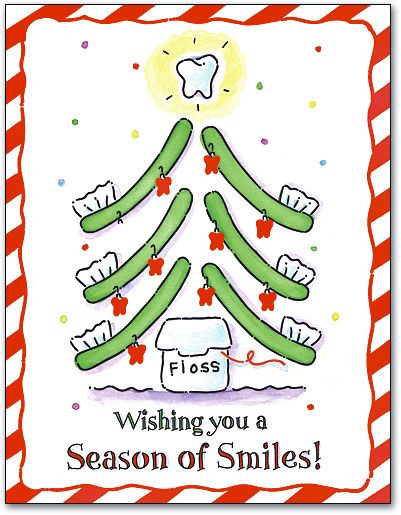
Merry Christmas & Happy Holidays!!!

Posted on: 12.23.16 By admin

5 / 5 ( 1 vote )
merry-christmas-alivio-dental

Merry Christmas & Happy Holidays from Alivio Dental!!!

  • « Previous Page
  • 1
  • …
  • 3
  • 4
  • 5
  • 6
  • 7
  • …
  • 22
  • Next Page »
icon1

Schedule Appointment

icon2

Our Dental Blog

icon4

Visit Us On Facebook

Keywords

AAPD Aurora Dentist Brushing Dentists Downers Grove Dentist Pediatric Dental Care

© 2023 ALIVIO DENTAL, ALL RIGHTS RESERVED

  • Job Opportunities
  • Sitemap

Alivio Dental

Call our office today to schedule an appointment.
Alivio Dental - Downers Grove
7335 Lemont Road
Downers Grove, IL 60516
Phone: 630-884-8174
Fax: 630-343-9602


Downers Grove Dental Services
Google Reviews
4.7 out of 5 with 79 reviews

General & Cosmetic Dentistry Treatments

Aurora & Downers Grove Dentists, Dr. Kaur and her associates offers a full scope of general and cosmetic dentistry inlcuding deep cleanings, tooth fillings, tooth bonding, tooth sealants, root canal procedures, dental crowns, tooth extraction, dentures, veneers, inlays onlays, teeth whitening, dental bridges and is dedicated to providing you with a pleasant visit and results that you are proud to show off.

Proudly serving Aurora, Darien, Downers Grove, Naperville, Woodridge and the following DuPage & Kane County communities:

  • Aurora, IL
  • Downers Grove, IL
  • Woodridge, IL
  • Darien, IL
  • Aurora, IL
  • Bolingbrook, IL
  • Lisle, IL
  • Lombard, IL
  • North Aurora, IL
  • Clarendon Hills, IL
  • Westmont, IL
  • La Grange, IL
  • Naperville, IL
  • Wheaton, IL