Dentist Downers Grove | General & Cosmetic Dentistry | Dentist Woodridge,IL

Text Size:+-
Aurora (630) 884-8194

Downers Grove (630) 884-8174

Office Hours: Mon–Thu: 9:00am–4:00pm; Sat:9am-2pm

  • Home
  • Patient Info
    • First Visit
    • Forms (Fill Online)
    • Dental Health
      • Dental Emergency list!
      • Child Dentistry
      • Dental Specialties
      • Oral Hygiene
      • Periodontal Maintenance
    • Financial Policy
    • Financing options and payment plans
    • Insurance Information
    • Infection Control
    • Home Care Instructions
    • Privacy Practices
  • Office Tour
  • Services
    • Deep Cleanings
    • Extractions
    • Tooth Fillings
    • Root Canal Treatment
    • Dental Bridges
    • Dental Crowns
    • Dentures / Partials
    • Teeth Whitening
    • Dental Sealants
    • Bonding
  • Advanced Technology
    • Digital Imaging
    • Intra Oral Camera
  • Contact Us
    • Locations
      • Aurora
      • Downers Grove
    • Job Opportunities

Dental Caries (Cavities)

Posted on: 04.25.16 By admin

5 / 5 ( 1 vote )
Dentist Fillings Downers Grove

Dentist Fillings Downers Grove

What Is It?

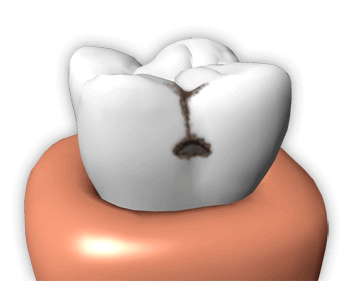
Dental caries is the medical term for tooth decay or cavities. It is caused by acid erosion of tooth enamel. Many different types of bacteria normally live in the human mouth. They accumulate (along with saliva, food particles and other natural substances) on the surface of the teeth in a sticky film called plaque. Plaque forms especially easily in cracks, pits or fissures in the back teeth; between teeth; around dental fillings or bridgework; and near the gum line. Some of the plaque bacteria convert sugar and carbohydrates (starches) in the foods we eat into acids. These acids dissolve minerals in the surface of the tooth, forming microscopic pits or erosions that get larger over time.

The damage can occur anywhere the tooth is exposed to plaque and acid, including the hard outer enamel on the tooth crown or the unprotected root of the tooth that has been exposed by gum recession. Caries can penetrate the protective enamel down to the softer, vulnerable dentin (main body of the tooth) and continue through to the soft tooth pulp and the sensitive nerve fibers within it. No one really knows what causes the pain associated with cavities, but theories include inflammation caused by bacteria, exposure of the root surface and an imbalance of fluid levels in the tubules inside the dentin.

Symptoms

Early caries may not have any symptoms. Later, when the decay has eaten through the enamel, the teeth may be sensitive to sweet foods or to hot and cold temperatures.

Diagnosis

A dentist will look for caries at each office visit, regardless of whether it is a routine visit or an appointment made by the patient because of pain. The dentist will examine the teeth visually and will probe the teeth with an instrument called an explorer to determine if there are pits or areas of damage. Periodically, or if the dentist suspects hidden caries, X-rays will be taken by looking at the teeth.

Expected Duration

How long caries lasts is determined by the stage at which it is found. White spots, indicating early caries that has not yet eroded through the enamel, may be reversed if acid damage is stopped and the tooth is given a chance to repair the damage naturally. Caries that has destroyed enamel cannot be reversed. Most caries will continue to worsen and deepen and with time, the tooth may decay down to the root. The amount of time the erosion takes will vary from person to person. Caries can erode to a painful level within months or it can take years to reach that stage.

Prevention

Cavities can be prevented by reducing the amount of plaque and bacteria in the mouth. The best way to do this is by daily brushing and flossing and professional dental cleanings twice a year. You also can reduce the amount of acid in your mouth by eating sugary or starchy foods less frequently during the day. Your mouth will remain acidic for several hours after eating, so snacking throughout the day is more likely to lead to caries than avoiding between-meal snacks. Chewing gum that contains xylitol helps to counteract the acidity that occurs after eating.

Teeth can be strengthened by fluoride. A dentist can evaluate your risk of caries and then suggest appropriate fluoride treatments. In children, new molars can be protected by having the dentist apply a sealant as soon as the teeth come fully into the mouth.

Treatment

The standard treatment for caries is to fill the tooth. After the dentist removes the decayed material in the cavity (usually following the use of anesthesia to block the pain), the cavity is filled. Fillings usually are made of a dental amalgam, which is a silver-gray material made from silver alloyed with copper or other metals in order to improve durability, or of a composite resin, which is tooth-colored for a better appearance. Amalgams are used primarily in molars and premolars. Resins are used primarily in the front teeth, although it is possible to use them in all teeth. Gold inlay may be used if greater strength is needed, but this is more expensive.

If a cavity is large with extensive erosion, the remaining tooth may not be able to support the amount of filling material that would be needed to repair it. In this case, the dentist will remove the decay, fill the cavity, and cover the tooth with an artificial crown.

Sometimes the crown of the tooth remains relatively intact, and there is more damage in the interior of the tooth. In these cases, the dentist may refer you to a dental specialist called an an endodontist for root canal treatment. In this procedure, the endodontist removes the tooth’s pulp and replaces it with an inert material. In most cases, the tooth’s natural crown will need to be replaced with an artificial crown.

When To Call A Professional

The early stages of decay are usually painless. Only regular professional examinations and X-rays can detect early trouble. If you develop sensitivity to chewing or to hot, cold or sweet foods or beverages, contact your dentist.

Prognosis

If a cavity goes undiagnosed, it likely will cause the tooth to erode significantly. Eventually, the tooth may be destroyed by uncontrolled decay.

Having caries increases your risk of more caries for several reasons:

  • The same oral care and dietary habits that contributed to the plaque and acids that caused the initial cavity may cause more decay
  • Bacteria tend to adhere to fillings and other restorations more than to smooth teeth, so those areas will be more susceptible to new caries
  • Cracks or gaps in the fillings may allow bacteria and food to enter the tooth, leading to decay from beneath the filling

Call Alivio Dental to schedule an appointment today! Proudly serving patients from Aurora,IL, Naerpville,IL, Oswego,IL, Downers Grove, IL, Lisle, IL, Darien, IL, Lombard, IL, Clarendon Hills, IL, Bollingbrook, IL, Woodridge, IL, Westmont, IL, La Grange, IL and Wheaton, IL communities now.

Credits: Aetna
Root Canal Treatment Explained…

Posted on: 04.15.16 By admin

4.8 / 5 ( 5 votes )
Root canal Downers Grove Dental

Root canal Downers Grove Dentist

WHAT IS ROOT CANAL TREATMENT?

If your tooth’s nerve chamber becomes infected by decay, or damaged by injury, root canal treatment is often the only way to save your tooth.

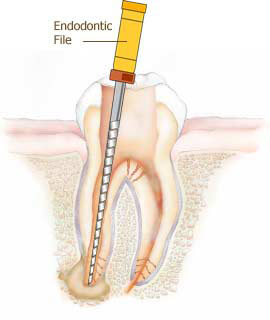
Inside the enamel (hard outer shell of the tooth) is a specific area called the pulp or nerve chamber. The pulp chamber contains blood vessels and nerves to provide nutrients for the tooth.

Deep cavities or other injury can cause damage to or infection of the tooth pulp. In a root canal, the dentist removes the damaged or infected pulp and replaces it with a special filler which helps protect the rest of the tooth. This filler will probably last a lifetime but you may need a new filling or a cap on the tooth. Without root canal treatment, the gum and bone around the tooth may become infected and a painful gumboil may form.

Quick Facts about root canal treatment:

You may need root canal treatment if you have:

  • Pain or throbbing while biting
  • Pain when eating/drinking hot or cold beverages/foods
  • Deep cavity or injury that causes an infection in the bone
  • Color change/darkening of the tooth
  • Swelling in nearby gum

Here are some ways to help prevent root canal treatment:

  • Brush and floss your teeth twice a day. Use a soft toothbrush and a fluoride toothpaste.
  • Visit your dentist regularly to have your teeth checked.
  • Have cavities fixed early so that infection cannot reach the nerve of the tooth.
  • If playing a contact sport, ask your dentist about wearing a mouth guard.
  • If your mouth and/or teeth are hurt, have them checked by a dentist as soon as possible.

Be sure to follow the special home care instructions provided by your dentist.

Call Alivio Dental to schedule an appointment today! Proudly serving patients from Downers Grove, IL, Lisle, IL, Darien, IL, Lombard, IL, Clarendon Hills, IL, Bollingbrook, IL, Woodridge, IL, Westmont, IL, La Grange, IL and Wheaton, IL communities now.

Credits: Procter & Gamble Company

My options with Dentures…

Posted on: 03.31.16 By admin

4.7 / 5 ( 3 votes )
Denture-Downers-Grove-Dentist

Denture-Downers-Grove-Dentist

Dentures are replacements for missing teeth that can be taken out and put back into your mouth. While dentures take some getting used to, and will never feel exactly the same as one’s natural teeth, today’s dentures are natural looking and more comfortable than ever.

There are two main types of dentures: full and partial. Your dentist will help you choose the type of denture that’s best for you based on whether some or all of your teeth are going to be replaced and the cost involved.

How do Dentures Work?
With full dentures, a flesh-colored acrylic base fits over your gums. The base of the upper denture covers the palate (the roof of your mouth), while that of the lower denture is shaped like a horseshoe to accommodate your tongue.

Dentures are custom-made in a dental laboratory from impressions taken of your mouth. Your dentist will determine which of the three types of dentures described below is best for you.

  • Conventional Full Denture
    A conventional full denture is placed in your mouth after any remaining teeth are removed and tissues have healed. Healing may take several months, during which time you are without teeth.
  • Immediate Full Denture
    An immediate full denture is inserted immediately after the remaining teeth are removed. (Your dentist takes measurements and makes models of your jaw during a prior visit.) While immediate dentures offer the benefit of never having to be without your teeth, they must be relined several months after being inserted. The reason is that the bone supporting the teeth reshapes as it heals, causing the denture to become loose.
  • Partial Denture
    A partial denture rests on a metal framework that attaches to your natural teeth. Sometimes crowns are placed on some of your natural teeth and serve as anchors for the denture. Partial dentures offer a removable alternative to bridges.

How Long Before I Get Used to My Dentures?
New dentures may feel awkward or uncomfortable for the first few weeks or even months. Eating and speaking with dentures might take a little practice. A bulky or loose feeling is not uncommon, while the muscles of your cheeks and tongue learn to hold your dentures in place. Excessive saliva flow, a feeling that the tongue does not have adequate room, and minor irritation or soreness are also not unusual. If you experience irritation, see your dentist.

How Long do Dentures Last?
Over a period of time, your denture will need to be relined, remade, or rebased due to normal wear. Rebasing means making a new base while keeping the existing denture teeth. Also, as you age, your mouth naturally changes. These changes cause your dentures to loosen, making chewing difficult and irritating your gums. At a minimum, you should see your dentist annually for a checkup.

Here are tips for caring for your dentures:

  • When handling your dentures, stand over a folded towel or basin of water. Dentures are delicate and may break if dropped.
  • Don’t let your dentures dry out. Place them in a denture cleanser soaking solution or in plain water when you’re not wearing them. Never use hot water, which can cause them to warp.
  • Brushing your dentures daily will remove food deposits and plaque, and help prevent them from becoming stained. An ultrasonic cleaner may be used to care for your dentures, but it does not replace a thorough daily brushing.
  • Brush your gums, tongue and palate every morning with a soft-bristled brush before you insert your dentures. This stimulates circulation in your tissues and helps remove plaque.
  • See your dentist if your dentures break, chip, crack or become loose. Don’t be tempted to adjust them yourself — this can damage them beyond repair.

Call Alivio Dental to schedule an appointment today! Proudly serving patients from Downers Grove, IL, Lisle, IL, Darien, IL, Lombard, IL, Clarendon Hills, IL, Bollingbrook, IL, Woodridge, IL, Westmont, IL, La Grange, IL and Wheaton, IL communities now.

Credits: Colgate-Palmolive Company

HOW DO I WHITEN MY TEETH?

Posted on: 03.23.16 By admin

4.7 / 5 ( 4 votes )
Teeth Whitening Dentist Downers Grove

Teeth Whitening Dentist Downers Grove

There are 2 kinds of tooth stains. One is internal, while the other is external.


External stains are found on the tooth surface. They may be caused by tobacco, tartar, and colored food and drink. Some drinks that cause stains are coffee, tea, red wine, and dark-colored sodas.


Internal stains are those found beneath the surface of your tooth. They may be caused by aging, excessive fluoride intake, and certain kinds of medicine.


At-home whitening treatments you can buy at the store

  • Whitening strips get rid of internal stains. These strips stick to teeth, allowing a whitening agent to work its way into the tooth.
  • Place whitening strips on top and bottom teeth
  • Wear the strips for up to 30 minutes or as instructed by packaging
  • A whitening toothpaste can take away surface stains if used often. Every time you brush with a whitening paste, you are preventing stains that can be caused by food, drinks, tobacco, or plaque buildup.

Professional whitening At the dentist

Your dental professional can offer you helpful in-office tooth whitening options. These include gels and whitening lights.

The gels contain high levels of peroxide that penetrate teeth to reduce staining. Talk to your dental professional to learn more about in-office whitening treatments.

  • Whitening gel will be put on your front teeth
  • The gel is left on for 15 to 20 minutes and then washed off

At-home treatments prescribed by your dental professional

You can also whiten your smile at home with products prescribed by your dental office.

Your dental professional will make a mold of your teeth and then give you a clear plastic tray made just for you. At home, you will fill your custom-made tray with whitening gel. This gel will stay on your teeth for at least an hour.

  • Put the whitening gel inside your custom-made tray
  • Wear the tray for at least 1 hour

Quick tips for stain prevention

  • Brush and floss twice daily to prevent plaque and tartar buildup and remove surface stains.
  • Cut back on dark foods and drinks such as berries, coffee, tea, and red wine.
  • Avoid smoking or chewing tobacco.
  • Use whitening products such as whitening toothpaste and strips.
  • Visit your dental professional every 6 months for a regular dental cleaning.

Call Alivio Dental to schedule an appointment today! Proudly serving patients from Downers Grove, IL, Lisle, IL, Darien, IL, Lombard, IL, Clarendon Hills, IL, Bollingbrook, IL, Woodridge, IL, Westmont, IL, La Grange, IL and Wheaton, IL communities now.

Credits: The Procter & Gamble Company

TOOTH SENSITIVITY?

Posted on: 03.11.16 By admin

4.7 / 5 ( 4 votes )
Tooth-Sensitivity Downers Grove Dentist

Tooth-Sensitivity Downers Grove Dentist

WHAT IS TOOTH SENSITIVITY?

Tooth sensitivity is the pain you may feel when you eat or drink hot or cold foods or drinks. You may also feel pain when you breathe in cold air.

Sensitivity can happen when gums pull away from the teeth or when gum tissue is lost. Gum loss can occur as a result of brushing too hard or not brushing and flossing regularly.

When gum loss occurs, the part of the tooth below the gumline can be exposed. This is called the tooth root. There are tiny tunnels that contain fluid and lead from the tooth root to the tooth’s nerve center. This nerve center is called the pulp. When heat or cold touches these tunnels, the tooth fluid can excite the nerve, causing pain in your teeth.

Sensitivity can also happen if the tooth’s hard surface layer, called enamel, gets worn away.

Tooth sensitivity can come and go, but ignoring it can lead to other health problems in your mouth.

These factors can contribute to tooth sensitivity:

  • Brushing too hard or using a toothbrush with hard bristles
    This can cause gum loss.
  • Sugary and acidic foods and drinks
    Cola/soda, fruit juices, and sugary snacks can contribute to cavities, which may cause sensitivity.
  • Teeth grinding
    This can wear down tooth surfaces.
  • Dental cleanings or treatments
    Sensitivity can happen after dental cleanings or treatments like tooth whitening. It usually goes away shortly after treatment ends. If you have any concerns, talk to your dental team.

Here are some ways to help prevent sensitivity:

  • Brush and floss your teeth twice a day to prevent gum loss
    Be sure to clean all parts of your mouth, including between teeth and along the gumline.
  • Brush gently and use a toothbrush with soft bristles
    This will help prevent gum loss and protect your enamel from being worn away.
  • Avoid acidic foods and drinks.
  • If you still have sensitivity, talk to your dental team. They may have other suggestions.

Quick facts about tooth sensitivity

  • Tooth sensitivity is the pain you may feel when you eat or drink hot or cold foods or drinks.
  • Sensitivity happens when gums pull away from the teeth or when gum tissue is lost. This exposes the tooth root below the gumline, resulting in sensitivity.
  • Use a toothbrush with soft bristles to avoid hurting your gums and teeth.
  • Ask your dentist about special toothpastes for sensitive teeth.

Call Alivio Dental to schedule an appointment today! Proudly serving patients from Downers Grove, IL, Lisle, IL, Darien, IL, Lombard, IL, Clarendon Hills, IL, Bollingbrook, IL, Woodridge, IL, Westmont, IL, La Grange, IL and Wheaton, IL communities now.

Credits: Procter & Gamble Company

Diabetes and Gum Disease, Related?

Posted on: 02.23.16 By admin

4.7 / 5 ( 3 votes )
Diabetes dentist Downers Grove

Diabetes dentist Downers Grove

DOES DIABETES AFFECT ORAL HEALTH?

If you have diabetes, it can affect many parts of your body. This includes your teeth and gums. The effect is even greater when your blood sugar is not well controlled, making it harder to fight bacterial infections.

Plaque buildup

Plaque is a clear, sticky layer of bacteria that forms on teeth. If it is not removed, it can lead to infections such as gum disease.

If your high blood sugar is not controlled, you may have more plaque bacteria than most people. That means you are more at risk for oral health problems.

Gingivitis(Red, swollen gums)

Gingivitis is a form of gum disease. It is caused by a buildup of plaque and tartar on the teeth and gums.

If you have diabetes, it is harder for your body to control plaque bacteria. That is why people with diabetes are 3 to 4 times more likely to get gum disease.

Be sure to see your dental professional if you have any of these symptoms:

  • Red gums
  • Swollen or
  • Tender gums
  • Gums that bleed easily

Periodontal disease

If gingivitis is left untreated, it can turn into periodontitis. This is a more serious form of gum disease. Over time, it can cause your gums to pull away from your teeth, causing teeth to become loose.

Oral health can affect diabetes, too. Having an infection like gum disease can affect your blood sugar. That’s why it’s vital to practice good oral care habits at home. It can help you protect your oral health, as well as manage your diabetes.

Be sure to use your blood glucose meter! It can help you control your blood sugar levels and protect your oral health.

For more information on diabetes and oral health, call our office today.

Call Alivio Dental to schedule an appointment today! Proudly serving patients from Downers Grove, IL, Lisle, IL, Darien, IL, Lombard, IL, Clarendon Hills, IL, Bollingbrook, IL, Woodridge, IL, Westmont, IL, La Grange, IL and Wheaton, IL communities now.

Credits: Oral-B

Dental exam school form

Posted on: 02.15.16 By admin

4.7 / 5 ( 4 votes )
Dental exam form Downers Grove Woodridge Dentist

Dental exam form Downers Grove Woodridge Dentist

Tooth grinding or Bruxism, what is it?

Posted on: 02.12.16 By admin

4.5 / 5 ( 2 votes )
Grinding teeth Mouth guard dentist

Grinding teeth Mouth guard dentist

Bruxism: Are You Experiencing It?

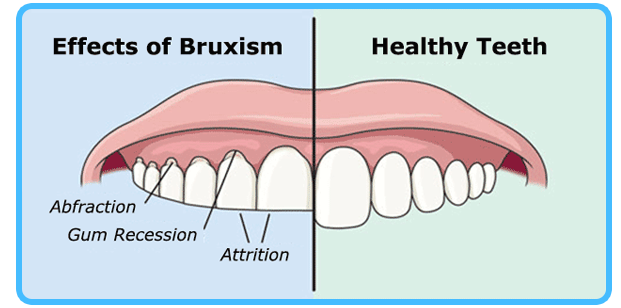
The term “bruxism” refers to tooth grinding and tooth clenching that many children and adults experience throughout their lifetime. Bruxism occurs when the teeth contact each other in a forceful fashion, this can be silent or cause a loud sound especially when sleeping.

Why Does it Occur?
Many medical and dental professionals may not always know the exact cause, but bruxism can occur due to psychological stress that people may be dealing with during the week. Stress can be categorized in two ways — by internal and external factors.

Internal factors could be the foods you consume, your level of fitness, your emotional stability, overall health and well-being, and the amount of sleep you get each evening. External factors of psychological stress include the environment you are in each day, interaction with others, when you are at home and how you deal with challenges on a daily basis.

Bruxism’s Impact on the Mouth
There are several elements that can occur in the mouth when people are experiencing bruxism:

  • Wearing away the tooth enamel and possibly the dentin
  • Cracking or chipping teeth, bridgework or implants
  • Tooth sensitivity can occur
  • Teeth can become painful or loose
  • Facial pain due to clenching of jaw muscles
  • Headaches
  • Overall facial fatigue
  • Pain in the temporomandibular joint (jaw bone on either side of the mouth)

Treating the Problem
Most individuals suffering from bruxism should see their dental professional/specialist to determine why they are experiencing this problem. Your dental professional may recommend that you wear a mouth guard or a night guard to cushion the clenching or tooth grinding during sleeping. Additionally, your dental professional may suggest ways to reduce stress so you can decrease the level of bruxism. You should consider avoiding foods such as chocolate and drinks that contain caffeine and alcohol. Avoid chewing forcefully and your dentist or oral maxillofacial surgeon may suggest conducting exercises to relax your jaw muscles during the day. If your bruxism is more severe, an occlusal splint may be recommended as well as medication prescribed to help relax you or make you sleep more soundly. Your dental professional will be able to work with you to find the cause and the solution to alleviate this problem.

Call Alivio Dental to schedule an appointment today! Proudly serving patients from Downers Grove, IL, Lisle, IL, Darien, IL, Lombard, IL, Clarendon Hills, IL, Bollingbrook, IL, Woodridge, IL, Westmont, IL, La Grange, IL and Wheaton, IL communities now.

Credits: Colgate-Palmolive Company

Teeth Alignment with Braces…

Posted on: 02.1.16 By admin

4.7 / 5 ( 3 votes )
Downers Grove Dentist Braces

Downers Grove Dentist Braces

Bringing Teeth into Alignment with Orthodontic Treatment

The American Association of Orthodontists reports that in the United States 4.5 million people are wearing braces or other dental appliances to straighten teeth and provide a healthy, beautiful smile.1. As many of us know, an orthodontist is a dentist with additional clinical training to treat malocclusions (improper bites), which may result from tooth irregularity and jaw issues.

Why Do Teeth Become Crooked?

Terry Pracht, DDS, past president of the American Association of Orthodontics says that both heredity and environmental factors can create crooked teeth and bite problems. Dr. Pracht mentions that hereditary factors include crowded teeth, teeth where there is too much space and malocclusions. He also mentions that crooked teeth can be caused by thumb sucking and tongue thrusting as well as accidents occurring to the jaw.1

What are Treatment Options to Straighten Teeth or Malocclusions?

There are three stages of orthodontic treatment. The first is when appliances are used to gain space in the mouth. For example, palatal expanders are used to expand the width of the palate and lingual bars are used to expand the lower jaw. The active corrective stage is next when the braces are placed on the teeth. The teeth are then adjusted and then straightened and malocclusions are corrected over a period of time based upon the severity of the irregularity of the teeth and jaw issues. The third stage is the retention stage after braces are removed and when the teeth are monitored through the use of a retainer (removable or fixed) and semi-annual orthodontic visits are conducted to maintain the straightened smile.

Types of Braces

Braces from over 30 or so years ago included large metal bands that were enclosed and cemented around each tooth. Braces can be attached to the cheek side of the teeth as well as the tongue side of the teeth depending on what your orthodontist recommends to you for treatment. Braces, arch wires and bands can be colorful and a lot of fun for children, adolescents and teenagers to choose from.

Today, tiny brackets are placed onto the front surface of the tooth and are made of metal or ceramic. The brackets are bonded to the front tooth surface with a glue-like material and metal bands can be used on the back teeth. Arch wires are placed inside the brackets and are made of a heat-activated nickel-titanium source that can become warm due to the temperature in the mouth, which will allow it to apply constant pressure on the teeth as well as when the arch wires are adjusted at the orthodontist’s office.

Another newer alternative to braces is the Invisalign® system which uses a series of clear removable aligners that are worn during the day and night to help in moving teeth into the correct alignment. When eating or brushing and flossing, the aligners may be removed.

Caring for Braces

Your orthodontist, dentist or dental hygienist will provide you with thorough instruction of how to properly clean your braces. There are many toothbrushes you can use both manual (specifically designed for orthodontic patients), power, electric or sonic. Ask your dental professional which is be best for you. Brushing should be conducted at least 2-3 times per day at a 45 degree angle in a back and forth motion. Be sure to remove plaque at the gum line to prevent gingivitis (inflammation of the gum tissue). Be sure to angle the toothbrush at the gum line and then gently brush around the brackets to remove plaque and food debris.

It is very important to clean in between your teeth with a floss threader and floss, a stimudent (tooth pick cleaner) or a proxabrush (interproximal cleaning brush) may be used if there is space between the teeth. Oral irrigators may be recommended to remove food debris and irrigate the gum tissue to remove disease and odor-causing bacteria that may be there if you have gingivitis. An antibacterial toothpaste and over-the-counter antimicrobial mouth rinses could also be used with the oral irrigator or alone.

How to Maintain a Smile After the Braces are Off

After your orthodontist has determined that your braces can be removed, it is very important that a retainer (a plastic appliance) be worn during the day or night as recommended by them. The retainer can be cleaned with warm water or toothpaste and a toothbrush after you wear it and placed in a plastic container when not in use.

See your dental professional for a twice a year professional cleaning and the orthodontist for regular maintenance appointments.

Call Alivio Dental to schedule an appointment today! Proudly serving patients from Downers Grove, IL, Lisle, IL, Darien, IL, Lombard, IL, Clarendon Hills, IL, Bollingbrook, IL, Woodridge, IL, Westmont, IL, La Grange, IL and Wheaton, IL communities now.

Credits: Colgate-Palmolive Company

Injured Tooth: What Should I Do?

Posted on: 01.25.16 By admin

4.7 / 5 ( 4 votes )
Woodridge dentist broken tooth

Woodridge dentist broken tooth

As with any trauma to the mouth, you should consult with your dentist immediately to determine if treatment is required. The dentist will examine the affected area and may take X-rays.

If you are in pain from a broken, cracked or chipped tooth, you may want to take an over-the-counter pain reliever. If possible, keep any part of the tooth that has broken off and take this with you to the dentist.

If a tooth is completely knocked out of the mouth by an injury, take the tooth to your dentist as soon as possible. It may be possible for your tooth to be placed back into your mouth, a procedure called reimplantation.

How Does a Dentist Treat:

Chipped tooth —If there is no pain and the chip is small, it’s up to you to decide if, when and how the tooth should be repaired. Depending on the size of the chip, it can be smoothed or cosmetically corrected. Other options include veneers, crowns and fillings. Ask your dentist to explain these options. If a filling or artificial tooth becomes chipped, it should be replaced.

Cracked or broken tooth —Cracked and broken teeth should be repaired as soon as possible to prevent further damage. Root canal therapy or tooth extraction may be necessary. If a crack affects the enamel and dentin of the tooth, a crown is frequently the best treatment. Keep in mind that cracks are not always visible, even on X-rays. Symptoms may involve pain while chewing and sensitivity to cold and possibly hot foods and liquids, as well as air, which may over time become more pronounced.

Tooth knocked out —The key to successfully reattaching a tooth is to get it reimplanted in the socket as soon as possible. With each minute that passes, more of the cells on the root of the tooth die. If possible, rinse the tooth with water only, then reimplant the tooth at the site and hurry to a dentist as quickly as possible. The tooth should be picked up by the crown only and must not be allowed to dry. The best chance for success is reimplantation within the first 30 minutes, with chances still good for up to two hours. It may be necessary for your dentist to do a root canal treatment one to two weeks after the tooth has been stabilized.

Permanently lost teeth, whether they’ve been removed by a dentist or accidentally knocked out, should be replaced. This is to avoid problems such as difficulty chewing and speaking, a shifting of position among remaining teeth, temporomandibular joint (TMJ) disorders caused by chewing on the side with more teeth, and a weakening of the jawbone. Options for replacing lost teeth include bridges, dentures and implants.

Broken jaw —If you suspect you or someone else has a broken jaw, do not move it. The jaw should be secured in place with a handkerchief, necktie or towel tied around the jaw and over the top of the head. Cold compresses should be used to reduce swelling, if present. Go immediately to a hospital emergency room, or call your dentist.

Call Alivio Dental to schedule an appointment today! Proudly serving patients from Downers Grove, IL, Lisle, IL, Darien, IL, Lombard, IL, Clarendon Hills, IL, Bollingbrook, IL, Woodridge, IL, Westmont, IL, La Grange, IL and Wheaton, IL communities now.

Credits: Colgate Inc

  • « Previous Page
  • 1
  • 2
  • 3
  • 4
  • 5
  • …
  • 7
  • Next Page »
icon1

Schedule Appointment

icon2

Our Dental Blog

icon4

Visit Us On Facebook

Keywords

AAPD Aurora Dentist Brushing Dentists Downers Grove Dentist Pediatric Dental Care

© 2023 ALIVIO DENTAL, ALL RIGHTS RESERVED

  • Job Opportunities
  • Sitemap

Alivio Dental

Call our office today to schedule an appointment.
Alivio Dental - Downers Grove
7335 Lemont Road
Downers Grove, IL 60516
Phone: 630-884-8174
Fax: 630-343-9602


Downers Grove Dental Services
Google Reviews
4.7 out of 5 with 79 reviews

General & Cosmetic Dentistry Treatments

Aurora & Downers Grove Dentists, Dr. Kaur and her associates offers a full scope of general and cosmetic dentistry inlcuding deep cleanings, tooth fillings, tooth bonding, tooth sealants, root canal procedures, dental crowns, tooth extraction, dentures, veneers, inlays onlays, teeth whitening, dental bridges and is dedicated to providing you with a pleasant visit and results that you are proud to show off.

Proudly serving Aurora, Darien, Downers Grove, Naperville, Woodridge and the following DuPage & Kane County communities:

  • Aurora, IL
  • Downers Grove, IL
  • Woodridge, IL
  • Darien, IL
  • Aurora, IL
  • Bolingbrook, IL
  • Lisle, IL
  • Lombard, IL
  • North Aurora, IL
  • Clarendon Hills, IL
  • Westmont, IL
  • La Grange, IL
  • Naperville, IL
  • Wheaton, IL