Dentist Downers Grove | General & Cosmetic Dentistry | Dentist Woodridge,IL

Text Size:+-
Aurora (630) 884-8194

Downers Grove (630) 884-8174

Office Hours: Mon–Thu: 9:00am–4:00pm; Sat:9am-2pm

  • Home
  • Patient Info
    • First Visit
    • Forms (Fill Online)
    • Dental Health
      • Dental Emergency list!
      • Child Dentistry
      • Dental Specialties
      • Oral Hygiene
      • Periodontal Maintenance
    • Financial Policy
    • Financing options and payment plans
    • Insurance Information
    • Infection Control
    • Home Care Instructions
    • Privacy Practices
  • Office Tour
  • Services
    • Deep Cleanings
    • Extractions
    • Tooth Fillings
    • Root Canal Treatment
    • Dental Bridges
    • Dental Crowns
    • Dentures / Partials
    • Teeth Whitening
    • Dental Sealants
    • Bonding
  • Advanced Technology
    • Digital Imaging
    • Intra Oral Camera
  • Contact Us
    • Locations
      • Aurora
      • Downers Grove
    • Job Opportunities

Retrograde root canal treatment (Apicoectomy)

Posted on: 01.14.16 By admin

4.7 / 5 ( 3 votes )
Retrograde root canal treatment

Retrograde root canal treatment – Woodridge, Downers Grove, IL

What Is Apicoectomy?

Your teeth are held in place by roots that extend into your jawbone. Front teeth usually have one root. Other teeth, such as your premolars and molars, have two or more roots. The tip of each root is called the apex. Nerves and blood vessels enter the tooth through the apex, travel through a canal inside the root, and into the pulp chamber, which is inside the crown (the part of the tooth visible in the mouth).

An apicoectomy may be needed when an infection develops or persists after root canal treatment,or retreatment. During root canal treatment, the canals are cleaned, and inflamed or infected tissue is removed. Root canals are very complex, with many small branches off the main canal. Sometimes, even after root canal treatment, infected debris can remain in these branches and possibly prevent healing or cause re-infection later. In an apicoectomy, the root tip, or apex, is removed along with the infected tissue. A filling is then placed to seal the end of the root.

An apicoectomy is sometimes called endodontic microsurgery because the procedure is done under an operating microscope.

What It’s Used For

If a root canal becomes infected again after a root canal has been done, it’s often because of a problem near the apex of the root. Your dentist can do an apicoectomy to fix the problem so the tooth doesn’t need to be extracted. An apicoectomy is done only after a tooth has had at least one root canal procedure.

In many cases, a second root canal treatment is considered before an apicoectomy. With advances in technology, dentists often can detect additional canals that were not adequately treated and can clear up the infection by doing a second root canal procedure, thus avoiding the need for an apicoectomy.

An apicoectomy is not the same as a root resection. In a root resection, an entire root is removed, rather than just the tip.

Preparation

Before the procedure, you will have a consultation with your dentist. Your general dentist can do the apicoectomy, but, with the advances in endodontic microsurgery, it is best to be referred to an endodontist.

Your dentist may take X-rays and you may be given an antimicrobial mouth rinse, anti-inflammatory medication and/or antibiotics before the surgery.

If you have high blood pressure or know that you have problems with the epinephrine in local anesthetics, let your dentist know at the consultation. The local anesthetic used for an apicoectomy has about twice as much epinephrine (similar to adrenaline) as the anesthetics used when you get a filling. The extra epinephrine constricts your blood vessels to reduce bleeding near the surgical site so the endodontist can see the root. You may feel your heart rate speed up after you receive the local anesthetic, but this will subside after a few minutes.

How It’s Done

The endodontist will cut and lift the gum away from the tooth so the root is easily accessible. The infected tissue will be removed along with the last few millimeters of the root tip. He or she will use a dye that highlights cracks and fractures in the tooth. If the tooth is cracked or fractured, it may have to be extracted, and the apicoectomy will not continue.

To complete the apicoectomy, 3 to 4 millimeters of the tooth’s canal are cleaned and sealed. The cleaning usually is done under a microscope using ultrasonic instruments. Use of a surgical microscope increases the chances for success because the light and magnification allow the endodontist to see the area better. Your endodontist then will take an X-ray of the area before suturing the tissue back in place.

Most apicoectomies take between 30 to 90 minutes, depending on the location of the tooth and the complexity of the root structure. Procedures on front teeth are generally the shortest. Those on lower molars generally take the longest.

Follow-Up

You will receive instructions from your endodontist about which medications to take and what you can eat or drink. You should ice the area for 10 to 12 hours after the surgery, and rest during that time.

The area may bruise and swell. It may be more swollen the second day after the procedure than the first day. Any pain usually can be controlled with over-the-counter nonsteroidal anti-inflammatory drugs (NSAIDs), such as ibuprofem (Advil, Motrin and others) or prescription medication.

To allow for healing, you should avoid brushing the area, rinsing vigorously, smoking or eating crunchy or hard foods. Do not lift your lip to examine the area, because this can disrupt blood-clot formation and loosen the sutures.

You may have some numbness in the area for days or weeks from the trauma of the surgery. This does not mean that nerves have been damaged. Tell your dentist about any numbness you experience.

Your stitches will be removed 2 to 7 days after the procedure, and all soreness and swelling are usually gone by 14 days after the procedure.

Even though an apicoectomy is considered surgery, many people say that recovering from an apicoectomy is easier than recovering from the original root-canal treatment.

Risks

The endodontist will review the risks of the procedure at the consultation appointment. The main risk is that the surgery may not work and the tooth may need to be extracted.

Depending on where the tooth is located, there may be other risks. If the tooth is in the back of your upper jaw, the infection can involve your sinuses, and your dentist may suggest antibiotics and decongestants. The roots of the back teeth in the lower jaw are close to some major nerves, so surgery on one of these teeth carries a slight risk of nerve damage. However, your endodontist will use your X-rays to see how close the roots are to the nerves, and the chances of anything happening are extremely small.

An apicoectomy is usually a permanent solution, and should last for the life of the tooth.

When To Call a Professional

If you’re having any pain or swelling from a tooth that has had root-canal treatment, contact your dentist, who will take X-rays and do an exam. If your dentist feels you need an apicoectomy, you will need to set up an appointment for a consultation.

Call Alivio Dental to schedule an appointment today! Proudly serving patients from Downers Grove, IL, Lisle, IL, Darien, IL, Lombard, IL, Clarendon Hills, IL, Bollingbrook, IL, Woodridge, IL, Westmont, IL, La Grange, IL and Wheaton, IL communities now.

Credits: Aetna Inc.

Keys to Controlling Bad Breath

Posted on: 01.5.16 By admin

4.7 / 5 ( 3 votes )
Woodridge dentist bad breath

Woodridge dentist bad breath

If you’re serious about learning what’s causing your bad breath, consider scheduling an appointment with your dental professional. Given your full medical and dental history along with an oral examination, your dentist should be able to identify the culprit. The causes of bad breath are numerous and include certain foods, alcohol or cigarettes, poor oral hygiene, periodontal disease, diabetes, dry mouth, sinus or throat infections, lung infections or abscesses, kidney/liver failure, gastrointestinal issues and severe dieting.

Treatment of Bad Breath

It is important to conduct thorough oral hygiene at home twice daily utilizing tooth brushing with a fluoride antibacterial toothpaste and flossing to remove food debris and plaque on teeth, bridgework and implants, and brushing the tongue to remove odor-causing bacteria. A published study reported that tongue and tooth brushing in combination with dental flossing significantly decreased bleeding of the gum tissue over a two week period of time as well as reduced bad breath1. Another clinical study conducted by the University of Buffalo dental researchers confirmed that brushing twice a day with an antibacterial toothpaste and using a tooth brush with a tongue cleaner can eliminate bad breath2.

Tongue Cleaning is the Key to Fresher, Cleaner Breath

Cleaning your tongue is very important. You can purchase a Colgate 360 toothbrush with the tongue cleaner on the back of the toothbrush for cleaning both your teeth and tongue. After tooth brushing your upper and lower teeth with an antibacterial toothpaste, flip the toothbrush over to the tongue cleaner and place the tongue cleaner in the posterior region of the tongue and move it forward to the anterior section of the tongue. After you have scraped that portion of the tongue, rinse the tongue brush off with warm water to remove any odor causing bacteria. Then replace the tongue brush in the next posterior section again and repeat as described above again.

Consult your dentist or dental hygienist when choosing oral hygiene aids to help you eliminate plaque and odor causing bacteria and review the techniques that should be utilized at home. Also, ask your dental professional what oral hygiene care products they would consider you use to help eliminate bad breath (antibacterial toothpaste, antiseptic mouth rinse, tongue brushes or scrapers and interproximal cleaning devices). The key to a clean, fresh mouth is optimal oral hygiene conducted at home on a regular basis and professional recommendations discussed with you by your dental professional.

Call Alivio Dental to schedule an appointment today! Proudly serving patients from Downers Grove, IL, Lisle, IL, Darien, IL, Lombard, IL, Clarendon Hills, IL, Bollingbrook, IL, Woodridge, IL, Westmont, IL, La Grange, IL and Wheaton, IL communities now.

© Copyright 2009 Colgate-Palmolive Company

Merry Christmas!

Posted on: 12.23.15 By admin

3.7 / 5 ( 4 votes )

Merry Christmas to everyone from Alivio Dental!!!

Merry Christmas!

Merry Christmas!

Root Canal Treatment

Posted on: 12.18.15 By admin

4.7 / 5 ( 6 votes )
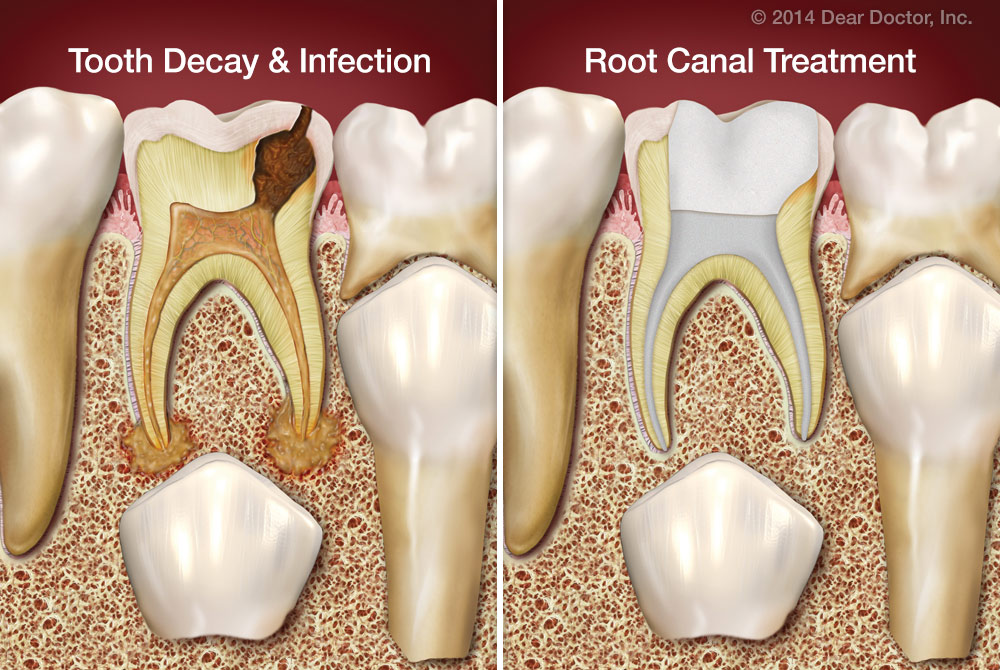
Woodridge dentist Downers Grove root-canal-treatment

Woodridge dentist Downers Grove root-canal-treatment

Introduction

Endodontics is the branch of dentistry that deals with diseases of the tooth’s pulp. The pulp is found in the center of the tooth and in canals (called root canals) inside the root of each tooth. Pulp includes connective tissue, nerves and blood vessels. Pulp nourishes the tooth when it first emerges through the gum. Once the tooth matures, the pulp can be removed without destroying the tooth. That’s because each tooth also is nourished by a blood supply in the gums.

Removing the pulp is called endodontic treatment, but it is often referred to as root canal treatment or root canal therapy. Many people refer to pulp removal as “having a root canal.” Root canal treatments are quite common. In the United States, they save about 24 million teeth each year.

Why Would You Need Root Canal Treatment?

Root canal treatment is needed for two main reasons. The first is infection. An untreated cavity is a common cause of pulp infection. The infection destroys the enamel and dentin of the tooth until it reaches the pulp. Bacteria then infect the pulp. Antibiotics can’t reach all the bacteria inside a canal. They are given to reduce the number of bacteria that spread outside the canal and into the bone. The inflammation caused by the infection reduces the blood supply to the tooth. The reduced blood supply also keeps the pulp from healing.

The second reason for a root canal is damage to the pulp that can’t be fixed. A fracture in a tooth can damage the pulp. So can a less severe blow to the tooth (trauma), even if there’s no visible damage right away. In time, the tooth may darken because of bleeding within the pulp.

Sometimes, common dental procedures can hurt the pulp. For example, this can occur if a tooth is cut too close to the pulp while it’s being prepared for a filling or a crown. Then the tooth might need a root canal.

When the pulp is inflamed but not infected, it may heal on its own. The pulp is able to fight off some bacteria. Your dentist may want to see if this will happen before doing root canal treatment. If the pulp remains inflamed, it can become painful.

An infection in the pulp can affect the bone around the tooth. This can cause an abscess to form. The goal of root canal treatment is to save the tooth by removing the infected or damaged pulp, treating any infection, and filling the empty root canals with a material called gutta percha.

If root canal treatment is not done, an infected tooth may have to be extracted. It is better to keep your natural teeth if you can. If a tooth is missing, neighboring teeth can drift out of line. Keeping your natural teeth also helps you to avoid other treatments, such as implants or bridges. Also, if you ignore an infected or injured tooth the infection can spread to other parts of your body.

Having root canal treatment on a tooth does not mean that the tooth will need to be pulled out in a few years. Once a tooth is treated, and restored with a filling or crown, it often will last the rest of your life.


Signs and Symptoms

If you have an infection of the pulp, you may not feel any pain at first. But if it is not treated, the infection will cause pain and swelling. In some cases, an abscess will form.

Your tooth might need a root canal if:

  • It hurts when you bite down on it, touch it or push on it
  • It is sensitive to heat
  • It is sensitive to cold for more than a couple of seconds
  • There is swelling near the tooth
  • It is discolored (whether it hurts or not)
  • It is broken

To determine whether your tooth needs root canal treatment, your dentist will often place hot or cold substances against the tooth. The purpose is to see if it is more or less sensitive than a normal tooth. He or she will examine the tissues around the tooth and gently tap on the tooth to test for symptoms.

Even if you have an infection in the pulp, you may not have any pain. Sometimes the infection finds a way out through the bone, creating a tunnel called a fistula, where the pus can drain. Since there is no pressure build-up in the area, you will not feel pain. The tooth will need a root canal.

You also will be given X-rays of the tooth and the bone around the tooth. The X-rays may show a widening of the ligament that holds the tooth in place or a dark spot at the tip of the root. If either of these is present, your dentist probably will recommend a root canal procedure.

Your dentist may need more information about the tooth. He or she may use an electric pulp tester. This hand-held device sends a small electric current through the tooth. It helps your dentist decide whether the pulp is alive. This test does not cause pain or a shock. You may feel a tingling sensation. It will stop when the tester is removed from the tooth.


Length of Treatment

Root canal treatment can be done in one or more visits. It depends on the situation. An uncomplicated root canal treatment often can be completed in one visit. Some teeth have more roots than other teeth. Treating a tooth with many roots takes longer. Some teeth have curved root canals that are difficult to find. Typically, teeth with active infections require more than one visit.

Once the root canal treatment is finished, you will need to see your general dentist to have a crown or filling placed on the tooth. You are likely to receive a crown if the tooth is discolored or is significantly broken down. Teeth become brittle after root canal treatment. The purpose of the crown is to prevent the tooth from breaking in the future. If most of the enamel is intact, a composite filling can be used to seal the canal.


Measuring and Cleaning the Root Canals

First, your dentist or endodontist will numb the area around the tooth. You also may receive sedation, such as nitrous oxide. Your dentist also has other ways to reduce your anxiety. Before your first appointment, ask what is available.

A small protective sheet called a dental dam will be placed over the tooth to keep the area free of saliva. Then the dentist will make a hole in the top or back of your tooth to get to the pulp chamber. He or she will remove some of the diseased pulp.

Then the root canals have to be measured. Your dentist needs to know how long the canals are to make sure the entire canal is cleaned. He or she also needs to know how much filling material to put in the cleaned canals.

To measure the root canals, dentists use X-rays or an electric device called an apex locator. For an X-ray, your dentist will place a file into the canal and then take an X-ray. An apex locator measures a root canal based on its resistance to a small electric current. Many dentists use both methods.

After the canals have been measured, your dentist or endodontist will use special tools to clean out all of the diseased pulp and infected parts of the canal wall. Then the canal is cleaned with antiseptic. This helps treat and prevent infection. All the canals within a tooth must be cleaned. Teeth have different numbers of canals:

  • The top front teeth have one canal.
  • The bottom front teeth have one or two canals.
  • The premolars have one or two canals.
  • The molars have three or four canals.

The location and shape of the canals can vary quite a bit. Some endodontists look inside the tooth with a microscope to make sure all the canals have been cleaned out.

Once the canals have been thoroughly cleaned, the roots are filled. A temporary filling is placed over the tooth. This is replaced as soon as possible with a permanent filling or crown.

In most cases, the tooth will need a crown. A crown will help to restore the tooth’s strength and protect it from cracking. If a crown is indicated, it should be placed soon after you have root canal treatment. If the temporary filling is left too long, the bacteria from your mouth will reinfect the tooth.

The pulp that was removed during root canal treatment is the part that responds to temperature. Your tooth will no longer be sensitive to hot or cold after the root canal is treated. There still are tissues and nerves around the tooth, however, so it will respond to pressure and touch.

After Root Canal Treatment

Your tooth may be sore for two to three days after the procedure. The worse the infection and inflammation you had, the more sensitive the tooth will be after treatment. Avoid chewing on the affected side. You can take over-the-counter pain relievers. A pain reliever that also reduces inflammation is likely to be most helpful. Examples include ibuprofen and aspirin.

Possible Complications

As with most invasive medical or dental procedures, complications can occur. Here are some possibilities.

Sometimes when a root canal is opened for treatment, the oxygen in the air will trigger some bacteria to start growing. This causes swelling and pain.

Blood vessels enter the tooth through a small hole at the bottom of the root. Sometimes during a root canal procedure, bacteria are pushed through this hole into surrounding tissue. If this happens, the surrounding tissue will become inflamed and possibly infected. This can be treated with painkillers and sometimes antibiotics. However, it may be painful until it clears up.

A root canal treatment can puncture the side of the tooth. This can happen if a canal is curved or hard to find. The tools that the dentist uses are flexible. They bend as a canal curves. Sometimes they bend at the wrong time and make a small hole in the side of the tooth. It will have to be filled. Sometimes the tooth has to be removed.

Finding root canals can be difficult. If all of the canals aren’t found and cleaned out, the tooth can stay infected. This also can happen if a canal isn’t measured correctly and pieces of infected or inflamed pulp are left near the bottom. In this case, the root canal procedure would have to be done again. Occasionally, root canals have branches that the dentist’s tools can’t reach.

The tip of a file may break off inside the tooth. If the canal is clean, your dentist can leave the piece of file in the tooth. But if canal is not completely cleaned out, the file piece may have to be removed. Sometimes this can be done from the top of the tooth. However, in some cases, the file can only be removed through a surgical procedure called an apicoectomy. A small cut (incision) is made in the gum, at the end of the tooth’s root, so the dentist can get to the bottom of the root. The dentist shaves off the bottom of the root and gets into the canal from the bottom to remove the file piece.

Pain, or the Lack of It

In most cases, you will not have any pain during a root canal procedure. Your dentist will numb your tooth and the surrounding area. Let your dentist know if you are feeling any pain during the root canal. Some people fear the numbing shot more than the root canal treatment itself. Today, numbing gels and modern injection systems have made injections virtually painless.

Call Alivio Dental to schedule an appointment today! Proudly serving patients from Downers Grove, IL, Lisle, IL, Darien, IL, Lombard, IL, Clarendon Hills, IL, Bollingbrook, IL, Woodridge, IL, Westmont, IL, La Grange, IL and Wheaton, IL communities now.

Credits: Aetna Inc


Dental Emergencies…

Posted on: 12.7.15 By admin

4.7 / 5 ( 3 votes )
woodridge-dentist-dental-emergency

woodridge-dentist-dental-emergency

Dental Emergencies

Pain is one of the reasons people go to the dentist. A painful tooth can be triggered by hot or cold food and drinks. Heavy biting or grinding may fracture a tooth and cause the tooth to hurt when you chew. Sometimes, when a filling falls out, you may have a throbbing ache.

Any injury to teeth or gums can be serious and should not be ignored. Injury can damage nerves or blood vessels. There is also a risk of getting an infection, which can become life threatening. If you ignore dental pain or dental injury, you’re taking a chance. You should not delay getting treatment. Delays in treatment can be dangerous to your health. Getting injured teeth repaired and treated quickly is the best thing to do.

Today, dentists have many options for dealing with dental emergencies. Now you can benefit from advances in pain management and techniques to restore teeth. Teeth can be repaired with synthetic materials that are strong and look as good as your natural teeth. Your dentist has the training and skills to identify how serious the problem is, and he or she almost always can reduce or eliminate pain within a few minutes.

When To Call Your Dentist

If you’re not sure if a dental problem is an emergency, dentists offer this advice: If it hurts, it’s an emergency. This is because even injuries that seem small or superficial can affect the living tissues inside the teeth. Quick treatment improves the odds of saving injured or damaged teeth.

Even if you aren’t in much pain, any structural damage to a tooth — from a sports injury, for example — should be considered an emergency. Chips or fractures can affect the living tissue inside the tooth, causing more problems in the future. Your dentist can prevent the damage from getting worse.

The same is true of a lost filling or crown. Even if you don’t have any symptoms, the tooth has lost its support and it could easily become weaker. Pieces could break off or crumble, and you would need more extensive treatment. If you see your dentist right away, there’s a good chance he or she will be able to repair the damage with minimal treatment.

Call Alivio Dental to schedule an appointment today! Proudly serving patients from Downers Grove, IL, Lisle, IL, Darien, IL, Lombard, IL, Clarendon Hills, IL, Bollingbrook, IL, Woodridge, IL, Westmont, IL, La Grange, IL and Wheaton, IL communities now.

Credits: 2002-2005 Aetna, Inc. All rights reserved.

Lost filling or crown – What to do? Read more…

Posted on: 11.20.15 By admin

4.7 / 5 ( 3 votes )
Woodridge dentist dental crowns

Woodridge dentist dental crowns

Fillings, which are materials used to fill cavities in the teeth, and crowns, which slip over and cover the tops of damaged teeth, sometimes loosen and fall out. This is rarely an emergency, but it can be painful because the exposed tooth tissue is often sensitive to pressure, air or hot and cold temperatures. In some cases, a filling or crown may come loose because decay has developed underneath it. The decay can cause the tooth to change shape and as a result, the crown of filling no longer fits the tooth properly.

What You Can Do

You may be eating, or biting on something hard when you discover that a filling or a crown has become lose or fallen out. You may feel the lost filling or crown in your mouth.

If it’s a crown, put it in a safe place and make an appointment to see your dentist as soon as you can. You don’t want to wait too long because the tooth will be weak and could be damaged more if it is not protected by the crown. Also, when a crown is missing for a long time, your teeth may move. If this happens your crown may no longer fit.

If the tooth is sensitive and you can’t get to your dentist right away, here’s what you can do:

  • If you can reach the sensitive area, apply a little clove oil with a cotton swab. It works well to dull tooth pain. You can buy clove oil in pharmacies and also in the spice aisle of many supermarkets.
  • If you have the crown, you may be able to slip it back over the tooth. Before you do that, it’s important to clean the inside of the crown as best you can. To hold it in place temporarily, coat the inner surface of the crown with tooth “cement,” which you can buy in the dental section of your pharmacy. There are several temporary cements available. Some need to be mixed; others come ready to use. You also can use denture adhesive or even petroleum jelly if nothing else is available. These aren’t permanent solutions, but they will help to hold the crown in place until you can see your dentist. You should not use any household glues to hold the crown in place. These products are not safe to put in your mouth and can damage the tooth and crown.
  • If you’ve lost the filling or crown, you can use over-the-counter dental cement to cover the tooth surface. This will help to protect and seal the area until you’re able to see your dentist, and can make you more comfortable.

What Your Dentist Will Do

If the tooth is structurally sound and the crown still fits properly, your dentist will clean the area and then replace the crown.

If the tooth has been affected by decay, your dentist will need to prepare the tooth again by removing the decay and then making a new filling or crown to replace the old one.

Call Alivio Dental to schedule an appointment today! Proudly serving patients from Downers Grove, IL, Lisle, IL, Darien, IL, Lombard, IL, Clarendon Hills, IL, Bollingbrook, IL, Woodridge, IL, Westmont, IL, La Grange, IL and Wheaton, IL communities now.

Credits: ©2002-2007 Aetna, Inc. All rights reserved.

All About Cavities

Posted on: 11.12.15 By admin

4.5 / 5 ( 2 votes )

Woodridge dentist cavities helpWhat’s In Your Mouth?

To understand what happens when your teeth decay, it’s helpful to know what’s in your mouth naturally. Here are a few of the elements:

  • Saliva: Your mouth and teeth are constantly bathed in saliva. Although we never give much thought to our spit, this simple fluid is remarkable for what it does to help protect our oral health. Saliva keeps teeth and other oral tissues moist and lubricated, washes away some of the food particles left behind after we eat, keeps acid levels in the mouth low, and protects against some viruses and bacteria.
  • Plaque: Plaque appears as a soft, gooey substance that sticks to the teeth a bit like jam sticks to a spoon. It is, in fact, colonies of bacteria, protozoa, mycoplasmas, yeasts and viruses clumping together in a gel-like organic material. Also in the mix are bacteria byproducts, white blood cells, food debris and body tissue. Plaque grows when bacteria attach to the tooth and begin multiplying. Plaque starts forming immediately after a tooth is cleaned; it takes about an hour for plaque to build up to measurable levels. As time goes on, different types of microorganisms appear, and the plaque thickens.
  • Calculus: If left alone long enough, plaque begins to mineralize and harden into calculus or tartar because the plaque absorbs calcium, phosphorus and other minerals from saliva. These minerals form crystals and harden the plaque structure. New plaque forms on top of existing calculus, and this new layer can also become calcified.
  • Bacteria: We have many different strains of bacteria in our mouths. Some bacteria are good; they help control destructive bacteria. When it comes to decay, Streptococcus mutans is the bacterial strain that does the most damage. It attaches easily to teeth and produces acid.

How Your Teeth Decay

You need food, particularly sweet and sticky food, for the bacteria in your mouth to produce acids that will attack the tooth enamel (outer surface of the tooth). Sugars, especially sucrose, react with bacteria to produce acid. The acid from the bacteria can decay your teeth.

It’s not just candy and ice cream we’re talking about. All carbohydrate foods, as they are digested, eventually break down into simple sugars, such as glucose and fructose. Some of this digestion begins in the mouth. Foods that break down into simple sugars in the mouth are called fermentable carbohydrates. These include the obvious sugary foods, such as cookies, cakes, soft drinks and candy, but also pretzels, crackers, bananas, potato chips and breakfast cereals. The sugars in these foods combine with the bacteria normally in the mouth to form acids. These acids cause the mineral crystals inside the teeth to begin to dissolve.

The dental caries lesion forms when these acids start to dissolve a tooth’s outer protective layer, the enamel. A cavity forms when the tooth decay breaks through the enamel to the underlying layers of the tooth. You can reverse a caries lesion (before it becomes a cavity) by using a variety of fluoride products. These include fluoridated water, fluoride rinses for use at home, and, of course, any commonly used fluoridated toothpaste.

Every time you eat, the bacteria in your mouth produce acid. Therefore, the more times you eat the more times your teeth are exposed to an acid attack.

Types and Stages of Decay

Dental decay, also known as dental caries, begins first inside the tooth. A white spot appears on the enamel where the tooth has started to weaken inside. At this stage, the tooth can repair the weakened area with the help of fluoride and minerals in saliva. But if the decay continues and breaks through the surface of the enamel, the damage is permanent. The decay must be cleaned out and the cavity filled by a dentist. Left untreated, the decay will worsen and destroy a tooth all the way through the outer enamel layer, through the inside dentin layer and down to the pulp or nerve of the tooth.

In young children, teeth that have recently emerged have weak enamel and are highly susceptible to acid decay. A type of decay called baby bottle tooth decay or early childhood caries destroys enamel quickly and is common in children. This type of decay can eat through enamel and leave a large cavity in a matter of months.

Older adults sometimes have chronic caries: cavities that don’t seem to get any worse or do so at a very slow rate. Teeth with chronic caries will tend to be darker in color because the edges of the cavities become stained from normal eating and drinking.

Root caries (decay in the roots of the teeth) are more common in older adults. Older adults are more likely to have gums that have receded from years of hard brushing or periodontal disease. They also are more likely to have dry mouth (xerostomia), which increases the risk of decay. Dry mouth is caused by many common medicines. Be sure to ask the doctor or pharmacist if any of your medicines cause dry mouth.

Decay can form beneath fillings or other restorations, such as crowns. Sometimes, bacteria and food particles can slip into a tooth if a filling hasn’t been placed properly or if the filling cracks or pulls away from the tooth, leaving a gap.

Preventing Cavities

Do you or your family members get cavities frequently? Dental research has identified factors that increase your risk of getting decay. Next time you visit the dental office, ask about your risk factors and discuss the best ways to reduce your risks and limit dental decay.

To prevent your teeth from decaying, you can do two things — strengthen your teeth’s defenses with fluoride and sealants, and reduce the number of bacteria in your mouth.

Fluoride strengthens teeth by penetrating the tooth structure and replacing lost minerals to repair acid damage. Everyone should brush with a fluoride toothpaste every day. Dental offices sometimes recommend additional toothpastes, gels and mouthrinses for both children and adults.

Sealants are protective coatings placed over the tops of chewing teeth — molars and premolars. They block bacteria and acids from sticking in the tiny grooves on the chewing surfaces of these teeth. Children should get sealants soon after their teeth erupt into the mouth.

Although you can never get rid of all the bacteria in your mouth, you can control bacteria by brushing regularly and flossing daily, seeing your dentist and dental hygienist regularly for a thorough cleaning and check-up, and reducing the number of times each day that you consume fermentable carbohydrates.

Some prescription mouthwashes (those that contain chlorhexidine) can help prevent decay by reducing the number of bacteria in the mouth. Chewing sugarless gums, especially those with xylitol, can help reduce decay and increase the flow of saliva.

Call Alivio Dental to schedule an appointment today! Proudly serving patients from Downers Grove, IL, Lisle, IL, Darien, IL, Lombard, IL, Clarendon Hills, IL, Bollingbrook, IL, Woodridge, IL, Westmont, IL, La Grange, IL and Wheaton, IL communities now.

Credits: Colgate Palmolive Company

Are heart and dental health related? Read more…

Posted on: 11.11.15 By admin

4.7 / 5 ( 3 votes )

Some cardiovascular (heart and artery) diseases may affect your oral health. They also may require changes in your dental treatment and how you receive dental care. Recent research has linked periodontal disease with the risk of coronary artery disease and stroke. But there is not enough research to show whether periodontal disease causes these other conditions. Treatment of periodontal disease can reduce overall inflammation in the body. However, there is no evidence that it prevents heart disease, heart attack or stroke.

If you have a one of these conditions, make sure that your dentist always has an up-to-date list of all the medicines you take. The list should be neatly written or typed. It should include prescription drugs, and over-the-counter medicines such as antacids. It also should include vitamins, herbal pills and other nutritional supplements.

Your list should provide the name of each drug, the dosage, how often you take it and when your physician prescribed it. Put the date that you made the list at the top of the page. This will let the dentist know that it is a current list.

Periodontal Disease and Cardiovascular Conditions

Periodontal disease can affect your overall health. Over time, it may increase the risk for heart disease and stroke. Several studies have shown that people with periodontal disease may be more likely to have coronary artery disease than people with healthy mouths.

Right now, scientists have two possible explanations for this association. One is that the bacteria that cause periodontal disease can release toxins into or travel through the bloodstream and help to form fatty plaques in the arteries. These plaque deposits can lead to serious problems, such as blood clots, which can block blood flow.

The other explanation is that these bacteria cause the liver to make high levels of certain proteins, which inflame the blood vessels. Inflammation eventually could lead to a heart attack or stroke.

Symptoms of periodontal disease include:

  • Persistent bad breath
  • Red, swollen or tender gums
  • Gums that bleed when you brush your teeth
  • Gums that have pulled away from the teeth
  • Loose teeth
  • A change in the way your teeth come together when you bite down

If you have symptoms of periodontal disease, see your dentist soon for treatment.

Heart Disease and Dental Treatment

Patients with certain heart conditions have a higher risk of endocarditis. This is an infection of the heart. It can be life threatening. It happens when bacteria in the bloodstream attach to damaged heart valves or other damaged heart tissue.

People with certain heart conditions may need antibiotics before they have certain types of dental procedures. Make sure to inform your dentist of any heart issues.

In 2007, the American Heart Association updated its guidelines on the use of antibiotics before dental treatments. The new policy advises antibiotics for fewer conditions than the old policy did.

Pre-treatment with antibiotics is still recommended for people who have had endocarditis in the past. It is also recommended for people with artificial heart valves, and people who had heart transplants and later developed heart valve problems.

Pre-treatment with antibiotics also is recommended for people with certain heart conditions that were present at birth:

  • Cyanotic heart disease that has not been repaired or was repaired incompletely. This includes people with shunts and conduits.
  • A heart defect that was completely repaired with a prosthetic material or device. In this case, antibiotics are advised only for the first six months after the procedure.
  • Any repaired heart defect that still has some defect at or next to the site of a prosthetic patch or device

Taking antibiotics before dental treatment is no longer advised for people with:

  • Acquired heart valve dysfunction (for example, rheumatic heart disease)
  • Mitral valve prolapse
  • Bicuspid valve disease
  • Calcified aortic stenosis
  • Congenital heart conditions, such as ventricular septal defect, atrial septal defect, and hypertrophic cardiomyopathy

The American Heart Association guidelines recommend pre-treatment antibiotics for dental procedures that involve an incision or manipulation of the gums or the tissues around a tooth root.

Antibiotics are not required for the following:

  • Routine anesthetic injections through noninfected tissue
  • X-rays
  • Placement of dentures
  • Placement or adjustment of removable orthodontic appliances
  • Placement of the bracket part of braces (not bands)
  • The natural loss of baby teeth in children
  • Bleeding from trauma to the lips or mouth

Myocardial Infarction (Heart Attack)

Oral Effects
A heart attack can sometimes feel like pain that starts in the chest and spreads to the lower jaw. Other times it may be pain that starts in the jaw or in the left arm or shoulder.

At the Dentist
You should wait at least six months after a heart attack to have most dental treatments. Your dentist should have oxygen and nitroglycerin available during your appointment. Your dentist and physician should discuss your condition before dental treatment.

Some medicines you take can change the way your dentist treats you. For example, if you are taking blood thinning drugs (anticoagulants), your blood is less likely to clot. You may need to stop taking your blood thinning medicines before some dental procedures. Do not stop taking any medicines until you have spoken to your physician. This is something your dentist will discuss with you and your physician. Let your dentist know the medicines you take, and their doses. You may need to take blood tests before some dental procedures, such as gum surgery (periodontal surgery) or extractions.

High Blood Pressure (Hypertension)

Oral Effects
Some drugs that treat high blood pressure (anti-hypertensive medicines) cause dry mouth (xerostomia) or an altered sense of taste (dysgeusia). Others may make you more likely to faint when you are raised from the relatively flat position in the dentist’s chair to a sitting or standing position quickly. This reaction is called orthostatic hypotension.

Gum overgrowth is a possible side effect of some drugs that treat high blood pressure. These include calcium channel blockers. It can begin as soon as one month after you start drug therapy. Some people’s gums become so large that they have difficulty chewing. In some cases, surgery is needed to remove part of the overgrown gum tissue.

At the Dentist
If you have high blood pressure, your dentist should check your blood pressure at each visit. Your dentist can decide whether it’s OK for you to have non-emergency dental treatment. It will depend on:

  • How high your blood pressure is
  • How well your blood pressure is controlled
  • Whether you have other medical conditions

The first time you visit the dental office after being diagnosed with high blood pressure, your dentist may take your blood pressure two or three times. This is to establish a “baseline” blood pressure. This way, the dentist will know if your blood pressure changes in response to treatment or a medicine.

The first time you visit the dental office after being diagnosed with high blood pressure, your dentist may take your blood pressure two or three times. This is to establish a “baseline” blood pressure. This way, the dentist will know if your blood pressure changes in response to treatment or a medicine.

Most people with high blood pressure can safely take anti-anxiety drugs — such as nitrous oxide or diazepam (Valium) — for dental procedures. They can also safely receive local anesthetics even if they contain epinephrine. If you have concerns about these drugs, talk to your dentist, physician or both.

Some people taking calcium channel blockers may notice gum overgrowth (gingival hyperplasia). Your dentist will give you detailed oral hygiene instructions and may ask you to visit more often for professional cleanings. Remember that your daily tooth brushing and flossing at home is very important. If you stop taking the drugs, your gums recede somewhat. However, this may take several months. Some people’s gums do not return to normal on their own. Gum surgery may be necessary.

Make sure your dentist knows which drugs you are taking for your high blood pressure. Before a dental visit, take your medicines as you normally do.

Coronary Artery Bypass Graft (CABG)

Oral Effects
There are no oral effects of this procedure.

At the Dentist
For the first couple of weeks after surgery, you may feel severe pain when reclining in the dental chair. This is a side effect of the surgery. Work with your dentist to find a comfortable position in the chair.

Unless they need dental treatment within a few weeks after the surgery, people who have had CABG generally do not require antibiotics before a dental procedure. If you have had this surgery, speak to your physician before having any dental treatment within the next six months.

Angina

Oral Effects
Angina is pain that starts in the chest. Sometimes it spreads to your lower jaw.

Some people with angina take drugs called calcium channel blockers. These drugs can cause gum overgrowth. This can happen as soon as one month after you start these drugs. Some people’s gums become so large that they have problems chewing. People who have this problem will most likely need surgery on their gums (periodontal surgery).

At the Dentist
People with stable angina can be treated like any other patients, with a few differences. Your dentist should have oxygen and nitroglycerin available during your visit. Your dentist should talk to your physician before your appointment.

People with unstable angina should not receive non-emergency dental care. If you need emergency dental care, your heart should be continuously monitored.

Stress can trigger angina attacks. If being in the dental chair increases your anxiety, speak with your dentist about ways to reduce this stress. If you feel any chest discomfort, tell your dentist or the dental staff right away.

High Cholesterol (Hyperlipidemia)

Oral Effects
People with high cholesterol have too much fat in their blood. There are no oral effects of high cholesterol.

At the Dentist
Some drugs used to treat high cholesterol can make you feel faint after you get up from the dental chair. High cholesterol puts you at risk of hardening of the arteries, which can lead to a heart attack or stroke. Your dentist should know about your condition and the drugs you are taking. Some drugs taken for high cholesterol can cause problems when taken with certain drugs that a dentist may prescribe.

Stroke

Oral Effects
Stroke can cause many long-term effects. These include:

  • Paralysis
  • Difficulty speaking and swallowing
  • Increased or decreased sensitivity to pain
  • Blurred vision
  • Poor memory
  • Personality changes (anxiety, depression)

In some people, a stroke paralyzes one side of the body. If this happens to you, a family member or caregiver may need to help you with activities of daily living, including your dental care. Special toothbrushes and floss holders also are available. If you wear dentures, they may need to be adjusted.

If your face or tongue is paralyzed, you may not be able to rinse your mouth. You may also not realize when you have food left in your mouth. You may bite your lip or tongue and not realize it. To keep your teeth and gums healthy, your dentist may suggest that you use a fluoride gel or saliva substitute.

At the Dentist
Some stroke survivors take blood thinners. Tell your dentist about all the medicines you take. You may need to stop taking your blood-thinning medicines before some dental procedures. Do not stop taking any medicines until you have spoken to your physician. This is something your dentist will discuss with you and your physician. Usually, routine dental treatment is safe. Bring a copy of your most recent blood tests to your dentist at every visit.

Congestive Heart Failure

Oral Effects
Many of the medicines used to treat congestive heart failure (CHF) cause dry mouth. The medical term for dry mouth is “xerostomia.”

At the Dentist
If you are being treated for CHF and have no complications, side effects or physical limitations, there are usually no special changes needed for dental treatment. However, the dentist may make some changes, depending on the medicines you take and your overall health.

If you have more severe heart failure, you should not lie down in the dental chair too far. The fluid build-up in your lungs may affect your breathing. You also should not sit up or lie down very quickly. These changes can make you dizzy and light-headed. Your dentist can confirm how serious your CHF is by talking with your physician or cardiologist. Some people with severe CHF may need to have their dental treatment in a hospital setting. This includes people whose disease is considered class III or IV under the New York Heart Association functional classification system.

Pacemaker Implantation

Oral Effects
There are no specific oral effects caused by having a pacemaker.

At the Dentist
If you have a pacemaker, you should confirm that there are no interactions between electromagnetic devices in your dentist’s office and your pacemaker. Certain machines that a dentist or dental hygienist may use could potentially interact and cause a problem with a pacemaker. Examples include machines used for ultrasound or electrosurgery. The chance of any interaction is very small. You or your dentist should be able to find out about interactions from your physician or from the pacemaker manufacturer. Talk with your physician about possible interactions before visiting the dental office. If there is a chance of interaction, your dentist can take precautions to prevent it.

You should avoid elective dental care within the first few weeks after receiving your pacemaker. If you must receive dental care within that time, your dentist and physician should decide if you need to take antibiotics before treatment.

Call Alivio Dental to schedule an appointment today! Proudly serving patients from Downers Grove, IL, Lisle, IL, Darien, IL, Lombard, IL, Clarendon Hills, IL, Bollingbrook, IL, Woodridge, IL, Westmont, IL, La Grange, IL and Wheaton, IL communities now.

© 2002- 2015 Aetna, Inc. All rights reserved.

Mouth Guard – Reasons why to get one for your kid

Posted on: 10.21.15 By admin

4.7 / 5 ( 4 votes )
Mouth guard dentist woodridge, IL

Mouth guard dentist woodridge, IL

A mouth guard is a soft plastic or laminate device used in sports to prevent oral injuries to the teeth, mouth, cheeks, tongue and jaw. The American Dental Association projects that one third of all dental injuries are sports related.1 The use of a mouth guard can prevent more than 200,000 oral injuries to the mouth each year.

The types of dental injuries that can occur without the use of a mouth guard are chipped or broken teeth, fractured crowns or bridgework, lip and cheek injuries, root damage to the teeth, fractured jaws, and concussions. Any athlete may be at risk for oral injury and any injury can be prevented with the use of a mouth guard.

Mouth guards are mandatory in collision sports such as football, hockey and boxing where the risk of injury is likely. Children and adults involved in incidental contact sports like basketball, baseball, softball, wrestling, soccer and volleyball may consider wearing a mouth guard to prevent injuries to the mouth.

A study of high school athletes found that seventy-five percent of injuries occurred when mouth guards were not worn and forty percent occurred during baseball and basketball. Nine percent of all athletes suffered some type of oral injury while another three percent reported a loss of consciousness. Fifty-six percent of all concussions were suffered when mouth guards were not worn. Trauma related to sports is more prevalent than previously reported.2

Child or adult, a mouth guard is essential for all athletes. For more information about the right mouth guard for you, consult your dental professional.

Call Alivio Dental to schedule an appointment today! Proudly serving patients from Downers Grove, IL, Lisle, IL, Darien, IL, Lombard, IL, Clarendon Hills, IL, Bollingbrook, IL, Woodridge, IL, Westmont, IL, La Grange, IL and Wheaton, IL communities now.
Credits: Colgate-Palmolive Company

Family Guide To Oral Health

Posted on: 10.13.15 By admin

4.7 / 5 ( 4 votes )
Family smiles dentist woodridge, IL

Family smiles dentist woodridge, IL

By following the information in this guide, you and your family can have healthy teeth and gums to last a lifetime. As a parent, you can work with your children to help them understand why good oral care is important — and show them how to do it right!

Four Steps to have Lifelong Teeth & a Bright Smile

  1. Brush at least twice a day with a fluoride toothpaste, especially after eating breakfast and before bedtime.
  2. Floss every day.
  3. Limit the number of times you eat snacks each day.
  4. Visit your dentist regularly.

It’s easy to guide your family toward good oral health. All it takes is the right information and a little practice to keep them moving in the right direction!

Fluoride – your family’s best defense

Fluoride is the best cavity fighter you can find as you guide your family to a lifetime of bright smiles! It keeps the whole family’s teeth strong — no matter what their ages.

How fluoride works

Every day, the enamel on teeth is attacked by acids produced in dental plaque. These acids can make teeth weaker, and can result in decay.

That’s where fluoride comes in. When it reaches your teeth, fluoride is absorbed into the enamel. It helps to repair the enamel and prevent tooth decay. It can even help stop the decay process.

How to get fluoride

You can get the benefits of fluoride from different places. It can work from the outside of your teeth, and from the inside of your body. To work the best, you need to get it both ways! At home, you and your family should brush with fluoride toothpaste at least twice a day, especially after eating breakfast and before bedtime.

Snacking and tooth decay

If fluoride is our greatest protection against decay, then frequent snacking can be our teeth’s biggest enemy. Every day, you and your family face snacking challenges. Here’s what you need to know:

It’s how often you snack that matters

The truth is that what your family eats isn’t as important as when and how often they snack! It all has to do with the “plaque reaction,” and this is how it works:

The plaque reaction

Everyone has plaque bacteria in their mouths. But when these plaque bacteria meet up with the sugars and starches that are found in snacks such as cookies, candies, dried fruits, soft drinks or even pretzels or potato chips, the plaque reacts to create acid, and a “plaque attack” occurs.

The fact is, most snacks that you eat contain either sugars or starches that give plaque this opportunity to make acid. And each “plaque attack” can last for up to 20 minutes after you have finished your snack. During this period, the plaque acid is attacking tooth enamel, making it weak. That’s when cavities can start!

Fighting back against plaque

The good news is, you can take a stand against plaque! By brushing twice daily with a fluoride toothpaste and by reducing the number of times you snack each day, you and your family can help prevent tooth decay.

When it comes to snacking, it’s best to choose something nutritious and to snack in moderation. It’s also better to eat the whole snack at one time! Here’s why: eating five pieces of a snack at one time exposes your teeth to possible tooth decay — for approximately 20 minutes. Nibbling on those same five pieces at five different times exposes your teeth to possible tooth decay for approximately 100 minutes. What a difference!

You need to watch baby’s sweets, too!

Infants are just as susceptible to decay as older children and adults. In fact, Early Childhood Cavities can be a very serious condition. See the Preventing Early Childhood Cavities section below for more information.

The dental checkup

The dentist is your family’s partner on the Bright Smiles, Bright Futures® pathway. Be sure to schedule regular dental appointments for the whole family. A child’s first visit should take place before his or her third birthday.

Dental checkups early in a child’s life allow children to have a positive dental health experience. TIP:Take your young toddler with you to your own appointment first. That way, the dental office becomes a familiar place.

Your dental checkup: what to expect

Fluoride treatments:

Your dentist may treat your child’s teeth with extra fluoride in the form of a gel to make teeth stronger. This gel goes in a tray that fits into the mouth that children wear for a few minutes to let the fluoride sink into their teeth. It comes in neat flavors for kids!

Dental sealants:

These are thin, protective plastic coatings applied by the dentist to the permanent back teeth (molars). They fill in the grooves on the chewing surfaces of the teeth where foods and bacteria can get stuck and cause cavities. Once applied, sealants can last for several years.

X-rays:

These “pictures” show the dentist what’s going on inside the teeth and beneath the gum line. During the X-ray, your child will wear a lead apron to prevent unnecessary exposure to radiation.

Preventing early childhood cavities (sometimes known as Baby Bottle Tooth Decay)

Early Childhood Cavities is a childhood disease that can be prevented. The following steps can help guard your baby against this painful condition – and ask your dentist or physician for more information.

It’s best not to put a bottle in bed with your baby. But if you must put a bottle in bed with your baby, put only plain water in it. Any liquid except water, even milk and juice, can cause cavities.

You can use a bottle to feed your baby at regular feeding times, but allowing the bottle to be used as a pacifier can be a major cause of cavities.

  • Hold your baby while feeding him/her. If your baby falls asleep, remove the bottle and put him/her in bed.
  • Avoid putting your baby to sleep with a bottle.
  • Avoid letting your toddler walk around with a bottle.

Call Alivio Dental to schedule an appointment today! Proudly serving patients from Downers Grove, IL, Lisle, IL, Darien, IL, Lombard, IL, Clarendon Hills, IL, Bollingbrook, IL, Woodridge, IL, Westmont, IL, La Grange, IL and Wheaton, IL communities now.

Credits: Colgate-Palmolive Company

  • « Previous Page
  • 1
  • 2
  • 3
  • 4
  • 5
  • 6
  • 7
  • Next Page »
icon1

Schedule Appointment

icon2

Our Dental Blog

icon4

Visit Us On Facebook

Keywords

AAPD Aurora Dentist Brushing Dentists Downers Grove Dentist Pediatric Dental Care

© 2023 ALIVIO DENTAL, ALL RIGHTS RESERVED

  • Job Opportunities
  • Sitemap

Alivio Dental

Call our office today to schedule an appointment.
Alivio Dental - Downers Grove
7335 Lemont Road
Downers Grove, IL 60516
Phone: 630-884-8174
Fax: 630-343-9602


Downers Grove Dental Services
Google Reviews
4.7 out of 5 with 79 reviews

General & Cosmetic Dentistry Treatments

Aurora & Downers Grove Dentists, Dr. Kaur and her associates offers a full scope of general and cosmetic dentistry inlcuding deep cleanings, tooth fillings, tooth bonding, tooth sealants, root canal procedures, dental crowns, tooth extraction, dentures, veneers, inlays onlays, teeth whitening, dental bridges and is dedicated to providing you with a pleasant visit and results that you are proud to show off.

Proudly serving Aurora, Darien, Downers Grove, Naperville, Woodridge and the following DuPage & Kane County communities:

  • Aurora, IL
  • Downers Grove, IL
  • Woodridge, IL
  • Darien, IL
  • Aurora, IL
  • Bolingbrook, IL
  • Lisle, IL
  • Lombard, IL
  • North Aurora, IL
  • Clarendon Hills, IL
  • Westmont, IL
  • La Grange, IL
  • Naperville, IL
  • Wheaton, IL