Dentist Downers Grove | General & Cosmetic Dentistry | Dentist Woodridge,IL

Text Size:+-
Aurora (630) 884-8194

Downers Grove (630) 884-8174

Office Hours: Mon–Thu: 9:00am–4:00pm; Sat:9am-2pm

  • Home
  • Patient Info
    • First Visit
    • Forms (Fill Online)
    • Dental Health
      • Dental Emergency list!
      • Child Dentistry
      • Dental Specialties
      • Oral Hygiene
      • Periodontal Maintenance
    • Financial Policy
    • Financing options and payment plans
    • Insurance Information
    • Infection Control
    • Home Care Instructions
    • Privacy Practices
  • Office Tour
  • Services
    • Deep Cleanings
    • Extractions
    • Tooth Fillings
    • Root Canal Treatment
    • Dental Bridges
    • Dental Crowns
    • Dentures / Partials
    • Teeth Whitening
    • Dental Sealants
    • Bonding
  • Advanced Technology
    • Digital Imaging
    • Intra Oral Camera
  • Contact Us
    • Locations
      • Aurora
      • Downers Grove
    • Job Opportunities

Sugary, sticky Halloween treats can play tricks on children’s teeth

Posted on: 09.18.15 By admin

4.7 / 5 ( 4 votes )
Dentist Downers Grove Dental Halloween

Dentist Downers Grove Dental Halloween Treats

Each year, Americans spend close to $9 billion on candy, and in October a lot of that candy will end up damaging the teeth of trick-or-treating children. You might be surprised to learn, however, that when it comes to causing cavities, not all candy is created equal.

“Cavities and tooth decay are caused by prolonged exposure to sugar,” says Ken Sutherland, DDS, a senior dental consultant for Delta Dental. “Parents can help their kids fight cavities by decreasing the amount of time sugar comes in contact with their teeth, as well as limiting the amount of candy they consume.”

Sugar has long been identified by oral health experts as a major cause of tooth decay and cavities. Naturally occurring bacteria in the mouth feed on sugar in candy and other foods and turn it into acid. This acid attacks tooth enamel and causes decay.

Sticky or chewy candies result in sugar being in contact with teeth for longer periods of time. When children chew sticky candies such as caramels or taffy, candy gets stuck on the surface and in between crevices. The longer the sugar is stuck to the teeth, the more time the bacteria have to feed on the candy and produce acid. The more acid is produced and the longer the amount of time the teeth are exposed to it, the more chance your child has of developing cavities.

Tips for limiting the effects of sugary treats

  • Choose candy that can be eaten quickly and easily to limit the amount of time sugar is in contact with the teeth.
  • Steer away from sticky candies like gummy fruit snacks, caramels, taffy, popcorn balls and other candies that expose the teeth to sugar for long periods of time.
  • Limit consumption of sour candies that may contain acids (such as citric acid) to intensify the sour flavor. These acids can contribute to dental erosion and cavities.
  • Encourage children to eat a small amount of candy in one sitting followed by a glass of water or a thorough tooth brushing.
  • Encourage children to eat a good meal prior to trick-or-treating, so there will be less temptation to fill up on candy.
  • Consider purchasing non-food treats for those who visit your home, such as coloring books or pens and pencils.

Halloween is a great time for parents to think about their children’s teeth, but oral health should be a year-round concern. Regularly encourage good oral health habits with your children, including flossing daily, brushing at least twice a day and visiting the dentist regularly. That way you’ll ensure the sugary villains don’t stick around on your children’s teeth long after Halloween is over.

Call Alivio Dental to schedule an appointment today! Proudly serving patients from Downers Grove, IL, Lisle, IL, Darien, IL, Lombard, IL, Clarendon Hills, IL, Bollingbrook, IL, Woodridge, IL, Westmont, IL, La Grange, IL and Wheaton, IL communities now.

Information courtesy of the Delta Dental Plans Association
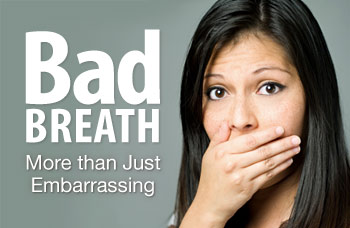
Bad breath? Read more for reasons…

Posted on: 09.16.15 By admin

4.8 / 5 ( 5 votes )
Bad breath dentist downers grove dental

Bad breath? Contact Dentist at Downers Grove Dental Clinic

“About 75 percent of bad breath or “halitosis” is caused by the mouth itself.  Other causes include gastric problems, sinus infections or severe gum disease,” says Mark Wolff, DDS, Ph.D., director of operative dentistry at the State University of New York at Stony Brook. One of the key successes in treating bad breath is determining the cause. Once your dental professional determines what the cause is then treatment for it can then begin 1.

Bad breath can be caused by the following:

  • External factors – foods such as onions and garlic, beverages like coffee and alcohol, and smoking
  • Poor oral hygiene – where plaque and food debris is left on the teeth
  • Dentures – plaque and food debris can form on dentures, which need to be cleaned daily
  • Tonsils – cryptic areas (crevices) in the tonsils can allow food debris to become lodged in the tonsil area
  • Respiratory tract infections – throat, sinus and lung infections
  • Dry mouth (Xerostomia) – can be caused by salivary gland problems, medication, mouth breathing, radiation therapy and chemotherapy

Who Should You See If You Have Bad Breath?

If you believe your diet is causing bad breath, then consult with a dietician or nutritionist who can work with you to modify your diet. If you have poor oral hygiene and are suffering from gingivitis (inflammation of the gum tissue in your mouth) or have periodontal disease (bone loss around the teeth sometimes referred to as “pyorrhea”), consult your dentist and periodontist and work with your dental hygienist to improve gingivitis and thorough oral hygiene instruction at home. The tonsils and respiratory infections will need to be followed by your physician or a specialist such as an ear, nose and throat physician or pulmonologist. A large majority of people in the United States are suffering from dry mouth due to medications they may be taking, salivary gland dysfunction and those who may be going through radiation and chemotherapy treatment for cancer therapy. Please consult your oral maxillofacial surgeon, your physician or oncologist for their professional recommendations for prescription or over-the-counter products that can alleviate dry mouth symptoms. Those patients who are diabetics, have liver or kidney conditions, and gastrointestinal disorders should see their physician, urologist or gastroenterologist for their insights on how bad breath can be reduced regarding these systemic diseases. Contact your dentist office for a recommendation of which dental or medical professional you should see for your bad breath condition.

Call Alivio Dental to schedule an appointment today! Proudly serving patients from Downers Grove, IL, Lisle, IL, Darien, IL, Lombard, IL, Clarendon Hills, IL, Bollingbrook, IL, Woodridge, IL, Westmont, IL, La Grange, IL and Wheaton, IL communities now.

©Copyright 2009 Colgate-Palmolive Company

Reference:
1. Ooh, That Smell: What to Do if It’s Coming From You – Dentists Discuss Treatments for Bad Breath. Reviewed information at http://www.webmd.com/news/20010809/ooh-that-smell-what-to-do-if-its-coming-from-you.

Jaw clicking/popping could be indicative of problems…

Posted on: 09.15.15 By admin

4.7 / 5 ( 14 votes )

Jaw clicking popping dentistClicking or popping could mean trouble, that is if it comes from your jaw. Joint sound is one of the most recognized signs of temporomandibular disorders, commonly referred to as TMD. While not all jaw sounds necessarily point to TMD, it could be an early sign and always should be checked out by your dentist, urges the Academy of General Dentistry (AGD), an organization for general dentists dedicated to continuing education.

The temporomandibular joints are the points at which the lower jaw (the mandible) attaches to the skull. They are among the most complex joints in the human anatomy. If you place your fingers on the sides of your face, just in front of your ears, and open and close your mouth, you can feel the movement of the mandible in the temporomandibular joints.

Researchers have discovered that sound can be a good tool when diagnosing TMD. Sounds from subjects with TMD had a larger amplitude than sounds fromsubjects without the disorder.

“Joint sound for some people is normal, but it could still mean trouble,” says AGD spokesperson Julie Ann Barna, DMD. “The difference between healthy jaw movement and TMD is said to be only one millimeter.”

Dr. Barna says that if TMD is diagnosed, a team approach to therapy by a dentist and physical therapist leads to effective treatment. She advises that patients should contact their dentist as soon as they notice any new joint sound or discomfort in the mouth. “It may be nothing,” she says. “But it’s better to be safe than sorry.”

Call Alivio Dental to schedule an appointment today! Proudly serving patients from Downers Grove, IL, Lisle, IL, Darien, IL, Lombard, IL, Clarendon Hills, IL, Bollingbrook, IL, Woodridge, IL, Westmont, IL, La Grange, IL and Wheaton, IL communities now.

Credits: Academy of General dentistry

How you bite your food effects your oral health…

Posted on: 09.14.15 By admin

4.6 / 5 ( 5 votes )

big-bite

In our fast-paced lives, many of us may be eating in a hurry, taking giant bites of our food to get done quickly and on to the next task. Fast-food restaurants advertise giant burgers and sandwiches as a selling point, but often those super-sized delicacies are larger than a human mouth.

Taking bites that are too big to chew could be bad for your jaw and teeth, says the Academy of General Dentistry (AGD), an organization of general dentists dedicated to continuing education. At particular risk are people with temporomandibular joint disorder (TMD), which can restrict the range of acceptable bite size. “People with TMD need to avoid opening their mouths too wide,” says AGD spokesperson Barbara A. Rich, DDS, FAGD. “Taking large bites of food can aggravate their condition.” So, smoosh that hoagie before taking a bite.

Dr. Rich also cautions against biting into hard candies, which can chip teeth. Even apples can cause problems. “If you need to open your mouth more than feels comfortable to take a bite, then you should cut the item into smaller portions that are easy to chew,” Dr. Rich says.

People should always avoid chewing ice, popcorn kernels and opening nuts with their teeth, which can lead to chipping and breakage of natural teeth and restorations.

Call Alivio Dental to schedule an appointment today! Proudly serving patients from Downers Grove, IL, Lisle, IL, Darien, IL, Lombard, IL, Clarendon Hills, IL, Bollingbrook, IL, Woodridge, IL, Westmont, IL, La Grange, IL and Wheaton, IL communities now.

Credits: Academy of General Dentistry

How Does Pregnancy Affect My Oral Health?

Posted on: 09.9.15 By admin

4.7 / 5 ( 12 votes )

256708-pregnant-womanIt’s a myth that calcium is lost from a mother’s teeth and “one tooth is lost with every pregnancy.” But you may experience some changes in your oral health during pregnancy. The primary changes are due to a surge in hormones – particularly an increase in estrogen and progesterone –- can exaggerate the way gum tissues react to plaque.

How does a build-up of plaque affect me?

If the plaque isn’t removed, it can cause gingivitis – red, swollen, tender gums that are more likely to bleed. So-called “pregnancy gingivitis” affects most pregnant women to some degree, and generally begins to surface as early as the second month. If you already have gingivitis, the condition is likely to worsen during pregnancy. If untreated, gingivitis can lead to periodontitis, a more serious form of gum disease.

Pregnant women are also at risk for developing pregnancy tumors, inflammatory, non-cancerous growths that develop when swollen gums become irritated. Normally, the tumors are left alone and will usually shrink on their own after the baby’s birth. But if a tumor is uncomfortable and interferes with chewing, brushing or other oral hygiene procedures, the dentist may decide to remove it.

How can I prevent these problems?

You can prevent gingivitis by keeping your teeth clean, especially near the gumline. You should brush with fluoride toothpaste at least twice a day and after each meal when possible. You should also floss thoroughly each day. If brushing causes morning sickness, rinse your mouth with water or with antiplaque and fluoride mouthwashes. Good nutrition – particularly plenty of vitamin C and B12 – help keep the oral cavity healthy and strong. More frequent cleanings from the dentist will help control plaque and prevent gingivitis. Controlling plaque also will reduce gum irritation and decrease the likelihood of pregnancy tumors.

Could gingivitis affect my baby’s health?

Research suggests a link between preterm, low-birthweight babies and gingivitis. Excessive bacteria can enter the bloodstream through your gums. If this happens, the bacteria can travel to the uterus, triggering the production of chemicals called prostaglandins, which are suspected to induce premature labor.

When should I see my dentist?

If you’re planning to become pregnant or suspect you’re pregnant, you should see a dentist right away. Otherwise, you should schedule a checkup in your first trimester for a cleaning. Your dentist will assess your oral condition and map out a dental plan for the rest of your pregnancy. A visit to the dentist also is recommended in the second trimester for a cleaning, to monitor changes and to gauge the effectiveness of your oral hygiene. Depending on the patient, another appointment may be scheduled early in the third trimester, but these appointments should be kept as brief as possible.

Are there any dental procedures I should avoid?

Non-emergency procedures generally can be performed throughout pregnancy, but the best time for any dental treatment is the fourth through six month. Women with dental emergencies that create severe pain can be treated during any trimester, but your obstetrician should be consulted during emergencies that require anesthesia or when medication is being prescribed. Only X-rays that are needed for emergencies should be taken during pregnancy. Lastly, elective procedures that can be postponed should be delayed until after the baby’s birth.

Call Alivio Dental to schedule an appointment today! Proudly serving patients from Downers Grove, IL, Lisle, IL, Darien, IL, Lombard, IL, Clarendon Hills, IL, Bollingbrook, IL, Woodridge, IL, Westmont, IL, La Grange, IL and Wheaton, IL communities now.

Credits: Academy of General Dentistry

Pacifiers – Good or bad for children?

Posted on: 09.8.15 By admin

4.3 / 5 ( 3 votes )

Children Teeth Dentist Pacifier

It’s one of the hardest habits to break and can require a great deal of persuasion: Parents often struggle with weaning their child off of a pacifier.

There is much debate regarding the use of pacifiers, but there is evidence to show that there are both pros and cons, according to a study in the January/February 2007 issue of General Dentistry, the Academy of General Dentistry’s (AGD) clinical, peer-reviewed journal.

“Contrary to popular belief, there are some positive effects that result from sucking on pacifiers,” says Jane Soxman, DDS, author of the study and Diplomate of the American Board of Pediatric Dentistry. “One is that they assist in reducing the incidence of sudden infant death syndrome (SIDS). Babies who are offered a pacifier do not sleep as deeply as those who sleep without a pacifier. Pacifier sucking makes it possible for the infant to be aroused from a deep sleep that could result in the stopping of breathing. Pacifiers also increase sucking satisfaction and provide a source of comfort to infants.”

However, parents should be aware of the negative effects of pacifier sucking on an infant’s oral health. “Children should stop using pacifiers by age 2,” says AGD spokesperson Luke Matranga, DDS, MAGD, ABGD. “Up until the age of 2, any alignment problem with the teeth or the developing bone is usually corrected within a 6-month period after pacifier use is stopped. Prolonged pacifier use and thumb sucking can cause problems with the proper growth of the mouth, alignment of the teeth and changes in the shape of the roof of the mouth.”

There is also an association between pacifier use and acute middle ear infections (otitis media).

“Continuous sucking on a pacifier can cause the auditory tubes to become abnormally open, which allows secretions from the throat to seep into the middle ear,” explains AGD spokesperson Maria Smith, DDS. “Transmission of bacteria in secretions would lead to middle ear infections.”

The bottom line is that if your child is continuously battling middle ear infections, you may have an alternative to surgery or antibiotics to stop this problem, says Dr. Smith, which would be to remove the pacifier.

Breaking the pacifier habit is not always easy, and there are several methods parents can use to stop it. Parents can dip the pacifier in white vinegar, making it distasteful; pierce the nipple of the pacifier with an ice pick or cut it shorter to reduce sucking satisfaction; leave it behind on a trip; or implement the “cold turkey” method.

Tips and recommendations:

  • Pacifier use should be restricted to the time when the infant is falling asleep.
  • Pacifiers can cause severe lacerations if the shield is held inside the lips.
  • Look for a pacifier with ventilation holes in the shield, as they permit air passage. This is important if the pacifier accidentally becomes lodged in your child’s throat.
  • In order to prevent strangulation, do not place a cord around your child’s neck to hold a pacifier. Look for pacifiers that have a ring.
  • A symmetrical nipple permits the pacifier to remain in the correct sucking position.
  • Dispose of the pacifier after use; it is not sanitary to keep it or give it away.

Credits: Academy of General Dentistry

How Can I Take Care of My Teeth as I Age?

Posted on: 09.4.15 By admin

4.4 / 5 ( 5 votes )

Proper oral care can keep you smiling well into retirement. Brushing at least twice a day with a fluoride toothpaste and a soft-bristle brush are as important as ever. Flossing can help you save your teeth by removing plaque between teeth and below the gumline that your toothbrush cannot reach.

What are some problems I should watch for?

Gingivitis. Most people don’t realize how important it is to take care of their gums. Gingivitis is caused by the bacteria found in plaque that attack the gums. Symptoms of gingivitis include red, swollen gums and possible bleeding when you brush. If you have any of these symptoms, see a dentist at once. Gingivitis can lead to periodontal (gum) disease if problems persist. Most adults show signs of gum disease. Severe gum disease affects about 25 percent of 65- to 74-year-olds. In gum disease, your gums begin to recede, pulling back from the teeth. In the worst cases, bacteria form pockets between the teeth and gums, weakening the bone. All this can lead to tooth loss if untreated, especially in patients with osteoporosis. If regular oral care is too difficult, your dentist can provide alternatives to aid in flossing and prescribe medication to keep the infection from getting worse.

What if it’s too difficult to brush?

If you have arthritis, you may find it difficult to brush and floss for good oral health care and prevention of disease. Ask your dentist for ways to overcome this problem. Certain dental products are designed to make dental care less painful for arthritis sufferers. You may want to try strapping the toothbrush to a larger object, such as a ball, to make the brush more comfortable to handle, or electric toothbrushes can help by doing some of the work for you.

What are the signs of oral cancer?

Oral cancer most often occurs in people over 40 years of age. See a dentist immediately if you notice any red or white patches on your gums or tongue, and watch for sores that fail to heal within two weeks. Unfortunately, oral cancer is often difficult to detect in its early stages, when it can be cured easily. Your dentist can perform a head and neck exam to screen for signs of cancer.

Should I be concerned about dry mouth?

Dry mouth (xerostomia) happens when salivary glands fail to work due to disease, certain medications or cancer treatment. This can make it hard to eat, swallow, taste and speak. In certain cases, such as radiation therapy, dry mouth can lead to severe complications, which is why it is important you see a dentist immediately before beginning any form of cancer treatment. Drinking lots of water and avoiding sweets, tobacco, alcohol and caffeine are some ways to fight dry mouth. Your dentist also can prescribe medications to fight severe dry mouth.

Maintaining your overall health

Studies have shown that maintaining a healthy mouth may keep your body healthier and help you avoid diabetes, heart disease and stroke. The best way to achieve good oral health is to visit your dentist at least twice a year.

Credits: Academy of General Dentistry

How to Keep Your Teeth for a Lifetime

Posted on: 09.3.15 By admin

4.5 / 5 ( 4 votes )

It’s a common myth that senior citizens are destined to lose their teeth, reports the Academy of General Dentistry (AGD). There is no reason seniors cannot keep their teeth for a lifetime, since tooth loss is simply the result of an oral disease – not the aging process.

The elderly, who make up the fastest growing segment of the U.S. population, are healthier and have kept more of their natural teeth than prior generations. But there’s still room for improvement. Many seniors do not visit a dentist even once a year – one of the key preventive strategies in ensuring that teeth last a lifetime.

“Seniors often take long absences from seeing the dentist,” says AGD spokesperson Nick Russo, DDS. “Sometimes they stop caring as much because they’re not out in the public very much, and they think oral hygiene doesn’t matter.”

Family members should encourage seniors who are disabled or have trouble getting around to seek dental care, Dr. Russo says. Seniors planning to enter a nursing home should inquire about on-site dental care.

Regular dental visits are especially important for older people since many suffer from dry mouth, which slows down the flow of saliva. Saliva plays a major role in preventing tooth decay by rinsing away food particles and neutralizing harmful acids. Dry mouth often comes with old age, but can also be caused by medications like antihistamines, decongestants, antidepressants and diuretics. Dry mouth can often be treated by a dentist.

Along with regular dental visits, seniors should floss daily and brush twice a day with a fluoride toothpaste. They should also ask their dentist about fluoride rinses and gels, since studies show that seniors who brush regularly with fluoride toothpaste or use a fluoride rinse or gel regularly have fewer cavities. Seniors are most likely to get cavities where old fillings have chipped or where root surfaces are left unprotected by receding gums.

Other suggestions for keeping teeth for a lifetime: snack in moderation and avoid snacks with sugars and starches, and alert the dentist to any change in medication.

Following these preventive measures should help prevent seniors from having to wear dentures. But even seniors with no teeth still need to visit the dentist regularly, since many aspects of oral health, such as adjusting ill-fitting dentures and oral cancer screenings, can be handled at routine dental visits.

Credits: Academy of General Dentistry

Early Childhood Tooth Decay

Posted on: 09.2.15 By admin

4.7 / 5 ( 3 votes )

Is My Child at Risk for Early Childhood Tooth Decay?

The average healthy adult visits the dentist twice a year. The average healthy 2-year-old has never been to the dentist. By kindergarten, 25 percent of children have never seen a dentist, yet dental decay is the single most common chronic childhood disease in America.

The culprit? A combination of misinformation about when a child should first visit the dentist, when a parent should start caring for a child’s teeth and the frequent and long-term exposure of sugary liquids to a child’s teeth.

A child should first visit the dentist six months after the eruption of the first tooth. During this first exam, the dentist can teach parents the best way to guard against early childhood tooth decay by wiping down the teeth with a damp cloth after every feeding and remind parents to limit sugary beverages.

Frequent and long-term exposure of a child’s teeth to sugary liquids is commonly called baby bottle tooth decay. Most parents are aware of baby bottle tooth decay but may not know that the long-term and regular consumption of sugary liquids in a bottle or cup puts children’s growing teeth at increased risk for decay.

“Unsweetened fruit juices, teas and water are always best for children to help promote oral and overall health,” says Academy of General Dentistry spokesperson Cindi Sherwood, DDS.

Fruit juice causes tooth decay if children are allowed to hold a bottle, cup or box of juice in their mouth through the day.

“If left untreated, baby bottle tooth decay can result in pain and infection,” says Dr. Sherwood. “Baby teeth are important because they hold the place for permanent teeth and help guide them into correct position. Severely decayed teeth may need to be extracted, which could effect the development of permanent teeth, speech and chewing.”

Caring for children’s teeth beginning in infancy promotes good oral health care habits for a lifetime and increases the chances of a child maintaining healthy permanent teeth.

Tips for parents to decrease the risk of early childhood tooth decay:

  • Wean a child from the bottle or breast by age 1.
  • Use spill-proof cups as a transitional step in the development of children, not a long-term solution.
  • Don’t allow children to use spill-proof cups throughout the day. Save spill-proof cups for snack and mealtimes when increased salivary activity helps clean teeth.
  • Drink sugary beverages through a straw. The best spill-proof cups to protect against decay are those with collapsible rubber straws.
  • Introduce oral health care habits early. Wipe baby’s gums with a damp cloth after every feeding. Introduce brushing with a soft-bristle brush and water when the first tooth appears. Parents can add a pea-sized dab of fluoridated toothpaste to the toothbrush by age 2.

Credits: Academy of General Dentistry

When Should My Child First See a Dentist?

Posted on: 09.1.15 By admin

4.5 / 5 ( 6 votes )

When Should My Child First See a Dentist?

Your child’s first visit to the dentist should happen before his or her first birthday. The general rule is six months after eruption of the first tooth. Taking your child to the dentist at a young age is the best way to prevent problems such as tooth decay, and can help parents learn how to clean their child’s teeth and identify his or her fluoride needs. After all, decay can occur as soon as teeth appear. Bringing your child to the dentist early often leads to a lifetime of good oral care habits and acclimates your child to the dental office, thereby reducing anxiety and fear, which will make for plenty of stress-free visits in the future.

How do I prepare my child and myself for the visit?

Before the visit, ask the dentist about the procedures of the first appointment so there are no surprises. Plan a course of action for either reaction your child may exhibit – cooperative or non- cooperative. Very young children may be fussy and not sit still. Talk to your child about what to expect, and build excitement as well as understanding about the upcoming visit. Bring with you to the appointment any records of your child’s complete medical history.

What will happen on the first visit?

Many first visits are nothing more than introductory icebreakers to acquaint your child with the dentist and the practice. If your child is frightened, uncomfortable or non-cooperative, a rescheduling may be necessary. Patience and calm on the part of the parent and reassuring communication with your child are very important in these instances. Short, successive visits are meant to build the child’s trust in the dentist and the dental office, and can prove invaluable if your child needs to be treated later for any dental problem.

Child appointments should always be scheduled earlier in the day, when your child is alert and fresh. For children under 36 months, the parent may need to sit in the dental chair and hold the child during the examination. Or, parents may be asked to wait in the reception area so a relationship can be built between your child and the dentist.

If the child is compliant, the first session often lasts between 15 and 30 minutes and may include the following, depending on age:

  • A gentle but thorough examination of the teeth, jaw, bite, gums and oral tissues to monitor growth and development and observe any problem areas
  • If indicated, a gentle cleaning, which includes polishing teeth and removing any plaque, tartar buildup or stains
  • X-rays
  • A demonstration on proper home cleaning
  • Assessment of the need for fluoride

The dentist should be able to answer any questions you have and try to make you and your child feel comfortable throughout the visit. The entire dental team should provide a relaxed, non-threatening environment for your child.

When should the next visit be?

Children, like adults, should see the dentist every six months. Some dentists may schedule interim visits for every three months when the child is very young to build up a comfort and confidence level or to treat a developing problem.

How do I find a good dentist for my child?

Many general dentists treat children. If yours does not, ask for a referral to a good dentist in your area. A word-of-mouth recommendation from a friend or family member can also yield the name of a quality dentist.

How can I protect my child’s oral health at home?

Parents typically provide oral hygiene care until the child is old enough to take personal responsibility for the daily dental health routine of brushing and flossing. A proper regimen of preventive home care is important from the day your child is born.

  • Clean your infant’s gums with a clean, damp cloth after each feeding.
  • As soon as the first teeth come in, begin brushing them with a small, soft-bristled toothbrush and water.  If you are considering using toothpaste before your child’s second birthday, ask your dentist first.
  • To avoid baby bottle tooth decay and teeth misalignment due to sucking, try to wean your child off of the breast and bottle by one year of age, and monitor excessive sucking of pacifiers, fingers and thumbs. Never give your child a bottle of milk, juice or sweetened liquid as a pacifier at nap time or bedtime.
  • Help a young child brush at night, the most important time to brush, due to lower salivary flow and higher susceptibility to cavities. Perhaps let the child brush their teeth first to build self-confidence, then the parent can follow up to ensure that all plaque is removed. Usually by age 5 or so, the child can learn to brush his or her own teeth with proper parental instruction.
  • The best way to teach a child how to brush is to lead by good example. Allowing your child to watch you brush your teeth teaches the importance of good oral hygiene.
  • « Previous Page
  • 1
  • …
  • 4
  • 5
  • 6
  • 7
  • Next Page »
icon1

Schedule Appointment

icon2

Our Dental Blog

icon4

Visit Us On Facebook

Keywords

AAPD Aurora Dentist Brushing Dentists Downers Grove Dentist Pediatric Dental Care

© 2023 ALIVIO DENTAL, ALL RIGHTS RESERVED

  • Job Opportunities
  • Sitemap

Alivio Dental

Call our office today to schedule an appointment.
Alivio Dental - Downers Grove
7335 Lemont Road
Downers Grove, IL 60516
Phone: 630-884-8174
Fax: 630-343-9602


Downers Grove Dental Services
Google Reviews
4.7 out of 5 with 79 reviews

General & Cosmetic Dentistry Treatments

Aurora & Downers Grove Dentists, Dr. Kaur and her associates offers a full scope of general and cosmetic dentistry inlcuding deep cleanings, tooth fillings, tooth bonding, tooth sealants, root canal procedures, dental crowns, tooth extraction, dentures, veneers, inlays onlays, teeth whitening, dental bridges and is dedicated to providing you with a pleasant visit and results that you are proud to show off.

Proudly serving Aurora, Darien, Downers Grove, Naperville, Woodridge and the following DuPage & Kane County communities:

  • Aurora, IL
  • Downers Grove, IL
  • Woodridge, IL
  • Darien, IL
  • Aurora, IL
  • Bolingbrook, IL
  • Lisle, IL
  • Lombard, IL
  • North Aurora, IL
  • Clarendon Hills, IL
  • Westmont, IL
  • La Grange, IL
  • Naperville, IL
  • Wheaton, IL