Dentist Downers Grove | General & Cosmetic Dentistry | Dentist Woodridge,IL

Text Size:+-
Aurora (630) 884-8194

Downers Grove (630) 884-8174

Office Hours: Mon–Thu: 9:00am–4:00pm; Sat:9am-2pm

  • Home
  • Patient Info
    • First Visit
    • Forms (Fill Online)
    • Dental Health
      • Dental Emergency list!
      • Child Dentistry
      • Dental Specialties
      • Oral Hygiene
      • Periodontal Maintenance
    • Financial Policy
    • Financing options and payment plans
    • Insurance Information
    • Infection Control
    • Home Care Instructions
    • Privacy Practices
  • Office Tour
  • Services
    • Deep Cleanings
    • Extractions
    • Tooth Fillings
    • Root Canal Treatment
    • Dental Bridges
    • Dental Crowns
    • Dentures / Partials
    • Teeth Whitening
    • Dental Sealants
    • Bonding
  • Advanced Technology
    • Digital Imaging
    • Intra Oral Camera
  • Contact Us
    • Locations
      • Aurora
      • Downers Grove
    • Job Opportunities

Blog

What is Baby Bottle Tooth Decay?

Posted on: 09.22.15 By admin

4.7 / 5 ( 3 votes )
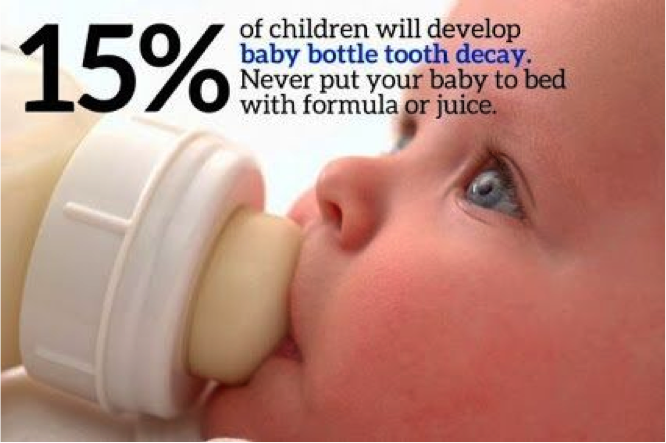
Baby bottle tooth decay

Baby bottle tooth decay | Ask dentist at Alivio Dental Downers Grove

Baby bottle tooth decay is caused by the frequent and long-term exposure of a child’s teeth to liquids containing sugars. Among these liquids are milk, formula, fruit juice, sodas and other sweetened drinks. The sugars in these liquids pool around the infant’s teeth and gums, feeding the bacteria in plaque. Every time a child consumes a sugary liquid, acid produced by these bacteria attack the teeth and gums. After numerous attacks, tooth decay can begin.

The condition also is associated with breast-fed infants who have prolonged feeding habits or with children whose pacifiers are frequently dipped in honey, sugar or syrup. The sweet fluids left in the mouth while the infant is sleeping increase the chances of cavities.

Why should I be worried about baby bottle tooth decay?

Giving an infant a sugary drink at nap or nighttime is harmful because during sleep, the flow of saliva decreases, allowing the sugary liquids to linger on the child’s teeth for an extended period of time. If left untreated, decay can result, which can cause pain and infection. Severely decayed teeth may need to be extracted. If teeth are infected or lost too early due to baby bottle tooth decay, your child may develop poor eating habits, speech problems, crooked teeth and damaged adult teeth. Healthy baby teeth will usually result in healthy permanent teeth.

How can I prevent baby bottle tooth decay?

Never allow a child to fall asleep with a bottle containing milk, formula, juice or other sweetened liquids. Clean and massage the baby’s gums to help establish healthy teeth and to aid in teething. Wrap a moistened gauze square or washcloth around the finger and gently massage the gums and gingival tissues. This should be done after every feeding.

Plaque removal activities should begin upon eruption of the first baby tooth. When brushing a child’s teeth, use a soft toothbrush and water. If you are considering using toothpaste before your child’s second birthday, ask your dentist first. Parents should first bring their child to the dentist when the child is between 6 and 12 months old.

Will changes in my child’s diet help prevent baby bottle tooth decay?

A series of small changes over a period of time is usually easier and eventually leads to better oral health.

To incorporate these changes:

  • Gradually dilute the bottle contents with water over a period of two to three weeks.
  • Once that period is over, if you give a child a bottle, fill it with water or give the child a clean pacifier recommended by a dentist. The only safe liquid to put in a bottle to prevent baby bottle tooth decay is water.
  • Decrease consumption of sugar, especially between meals.
  • Children should be weaned from the bottle as soon as they can drink from a cup, usually by their first birthday, but the bottle should not be taken away too soon, since the sucking motion aids in the development of facial muscles, as well as the tongue.

Call Alivio Dental to schedule an appointment today! Proudly serving patients from Downers Grove, IL, Lisle, IL, Darien, IL, Lombard, IL, Clarendon Hills, IL, Bollingbrook, IL, Woodridge, IL, Westmont, IL, La Grange, IL and Wheaton, IL communities now.

Credits: Academy of General Dentistry

How Do I Care for My Child’s Baby Teeth?

Posted on: 09.21.15 By admin

4.7 / 5 ( 4 votes )
Kids teeth dentist downers grove dental clinic

Kids teeth dentist downers grove dental clinic

Though you lose them early in life, your primary teeth, also called baby teeth, are essential in the development and placement of your permanent teeth. Primary teeth maintain the spaces where permanent teeth will erupt and help develop proper speech patterns that would otherwise be difficult; without maintenance of these spaces, crowding and misalignment can occur, resulting in more complicated treatment later. Baby teeth also are primers for teaching your child good oral care habits. It is important to take care of your child’s primary teeth. Even though primary teeth last only a few years, decay, cavities and infection can take its toll and may require expensive treatment to repair.

When do baby teeth come in?

Your child’s primary teeth generally make their appearance when he or she is 6 or 7 months old, though it can occur as early as birth. There are 20 primary teeth, followed by 32 permanent teeth that will eventually replace them. Your child should have all his or her primary teeth at age 3 and will keep them until age 5 or 6, when they begin to loosen and fall out. This process usually lasts until the child is 12 or 13. Primary teeth fall out because permanent teeth are pushing them, and by about age 14 children have 28 permanent teeth, plus four additional teeth, called wisdom teeth, that grow behind the permanent teeth in late adolescence.

What can relieve my child’s discomfort during teething?

Between the ages of 6 months and 3 years, your child may experience sore gums and general oral discomfort as primary teeth erupt. While some lucky children experience no apparent discomfort during eruption, many others do. Signs that eruption is causing discomfort in your child include crankiness, lack of appetite, excessive drooling, restless behavior, pink or red cheeks, coughing, upset stomach and chewing or sucking of fingers and toys. There are ways you can bring your child relief. A cold, wet cloth for your baby to suck on can sooth gums. There are also teething accessories and toys your child can chew on to relieve discomfort. Thumb sucking also brings relief, however, dentists recommend this practice should cease upon the arrival of the first permanent teeth, so it does not interfere with the normal development of a child’s oral cavity.

Should loose primary teeth be pulled?

Losing primary teeth before they are ready to fall out can affect the proper positioning of the permanent teeth. If a baby tooth is lost too early, other teeth may tip or fill in the vacant space, forcing permanent teeth to come in crooked. If a baby tooth is knocked out, see your dentist, who may recommend a space maintainer to reserve the gap until the permanent tooth comes in. In instances where a primary tooth is loose because of the emergence of a permanent tooth, have the child wiggle the tooth or eat something hard, such as an apple, to help it along. Once the shell of the tooth is disconnected from the root, the discomfort in extracting a loose primary tooth is minimal.

Call Alivio Dental to schedule an appointment today! Proudly serving patients from Downers Grove, IL, Lisle, IL, Darien, IL, Lombard, IL, Clarendon Hills, IL, Bollingbrook, IL, Woodridge, IL, Westmont, IL, La Grange, IL and Wheaton, IL communities now.

Credits: Academy of General Dentistry

Sugary, sticky Halloween treats can play tricks on children’s teeth

Posted on: 09.18.15 By admin

4.7 / 5 ( 4 votes )
Dentist Downers Grove Dental Halloween

Dentist Downers Grove Dental Halloween Treats

Each year, Americans spend close to $9 billion on candy, and in October a lot of that candy will end up damaging the teeth of trick-or-treating children. You might be surprised to learn, however, that when it comes to causing cavities, not all candy is created equal.

“Cavities and tooth decay are caused by prolonged exposure to sugar,” says Ken Sutherland, DDS, a senior dental consultant for Delta Dental. “Parents can help their kids fight cavities by decreasing the amount of time sugar comes in contact with their teeth, as well as limiting the amount of candy they consume.”

Sugar has long been identified by oral health experts as a major cause of tooth decay and cavities. Naturally occurring bacteria in the mouth feed on sugar in candy and other foods and turn it into acid. This acid attacks tooth enamel and causes decay.

Sticky or chewy candies result in sugar being in contact with teeth for longer periods of time. When children chew sticky candies such as caramels or taffy, candy gets stuck on the surface and in between crevices. The longer the sugar is stuck to the teeth, the more time the bacteria have to feed on the candy and produce acid. The more acid is produced and the longer the amount of time the teeth are exposed to it, the more chance your child has of developing cavities.

Tips for limiting the effects of sugary treats

  • Choose candy that can be eaten quickly and easily to limit the amount of time sugar is in contact with the teeth.
  • Steer away from sticky candies like gummy fruit snacks, caramels, taffy, popcorn balls and other candies that expose the teeth to sugar for long periods of time.
  • Limit consumption of sour candies that may contain acids (such as citric acid) to intensify the sour flavor. These acids can contribute to dental erosion and cavities.
  • Encourage children to eat a small amount of candy in one sitting followed by a glass of water or a thorough tooth brushing.
  • Encourage children to eat a good meal prior to trick-or-treating, so there will be less temptation to fill up on candy.
  • Consider purchasing non-food treats for those who visit your home, such as coloring books or pens and pencils.

Halloween is a great time for parents to think about their children’s teeth, but oral health should be a year-round concern. Regularly encourage good oral health habits with your children, including flossing daily, brushing at least twice a day and visiting the dentist regularly. That way you’ll ensure the sugary villains don’t stick around on your children’s teeth long after Halloween is over.

Call Alivio Dental to schedule an appointment today! Proudly serving patients from Downers Grove, IL, Lisle, IL, Darien, IL, Lombard, IL, Clarendon Hills, IL, Bollingbrook, IL, Woodridge, IL, Westmont, IL, La Grange, IL and Wheaton, IL communities now.

Information courtesy of the Delta Dental Plans Association

  • « Previous Page
  • 1
  • …
  • 15
  • 16
  • 17
  • 18
  • 19
  • …
  • 22
  • Next Page »
icon1

Schedule Appointment

icon2

Our Dental Blog

icon4

Visit Us On Facebook

Keywords

AAPD Aurora Dentist Brushing Dentists Downers Grove Dentist Pediatric Dental Care

© 2023 ALIVIO DENTAL, ALL RIGHTS RESERVED

  • Job Opportunities
  • Sitemap

Alivio Dental

Call our office today to schedule an appointment.
Alivio Dental - Downers Grove
7335 Lemont Road
Downers Grove, IL 60516
Phone: 630-884-8174
Fax: 630-343-9602


Downers Grove Dental Services
Google Reviews
4.7 out of 5 with 79 reviews

General & Cosmetic Dentistry Treatments

Aurora & Downers Grove Dentists, Dr. Kaur and her associates offers a full scope of general and cosmetic dentistry inlcuding deep cleanings, tooth fillings, tooth bonding, tooth sealants, root canal procedures, dental crowns, tooth extraction, dentures, veneers, inlays onlays, teeth whitening, dental bridges and is dedicated to providing you with a pleasant visit and results that you are proud to show off.

Proudly serving Aurora, Darien, Downers Grove, Naperville, Woodridge and the following DuPage & Kane County communities:

  • Aurora, IL
  • Downers Grove, IL
  • Woodridge, IL
  • Darien, IL
  • Aurora, IL
  • Bolingbrook, IL
  • Lisle, IL
  • Lombard, IL
  • North Aurora, IL
  • Clarendon Hills, IL
  • Westmont, IL
  • La Grange, IL
  • Naperville, IL
  • Wheaton, IL